
"Chinese Treasures" in the Eyes of Westerners: Qing Dynasty Export Art Masterpieces on Display in Shanghai
What did "Chinese treasures" look like in the eyes of Westerners during the Qing Dynasty? The Paper learned that the exhibition "Diverse Charms, Shared Splendor: Treasures of Qing Dynasty Export Art" opened to the public at the Shanghai World Expo Museum on December 4th. Using objects as a medium, the exhibition brings together 119 sets of Qing Dynasty export art treasures from the Guangdong Provincial Museum's collection, covering nine categories including Cantonese embroidery, Cantonese porcelain, Cantonese carving, Cantonese enamel, export paintings, export silverware, lacquerware, export fans, and name card cases. It recreates the cultural collision and fusion in Sino-Western trade during the 18th and 19th centuries, showcasing the unique charm of Chinese craftsmanship after integrating Western aesthetics.
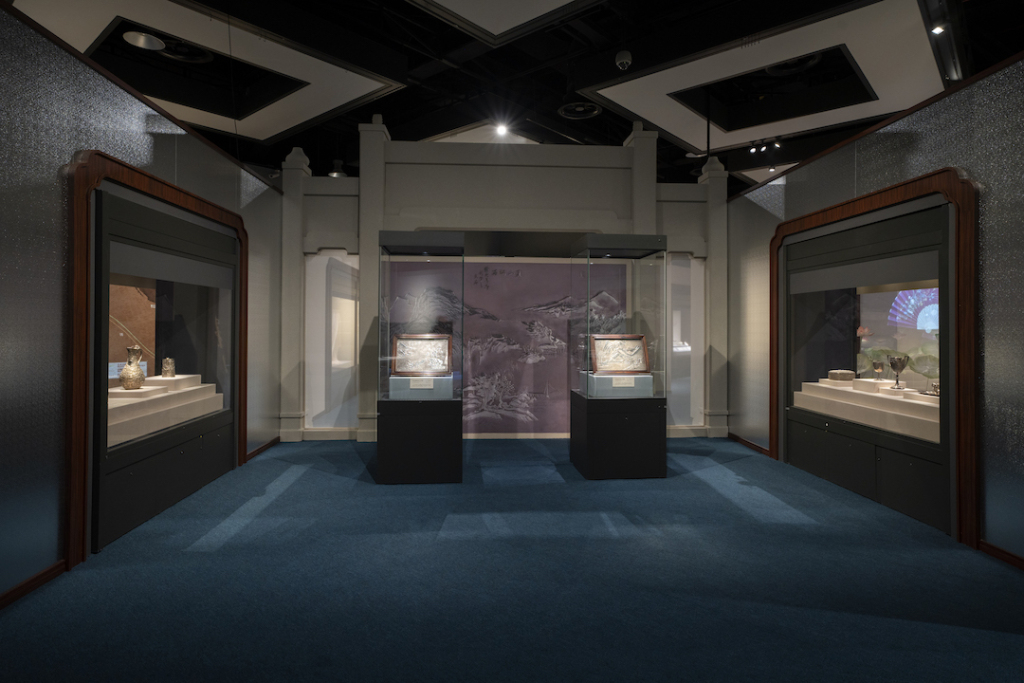
Exhibition site
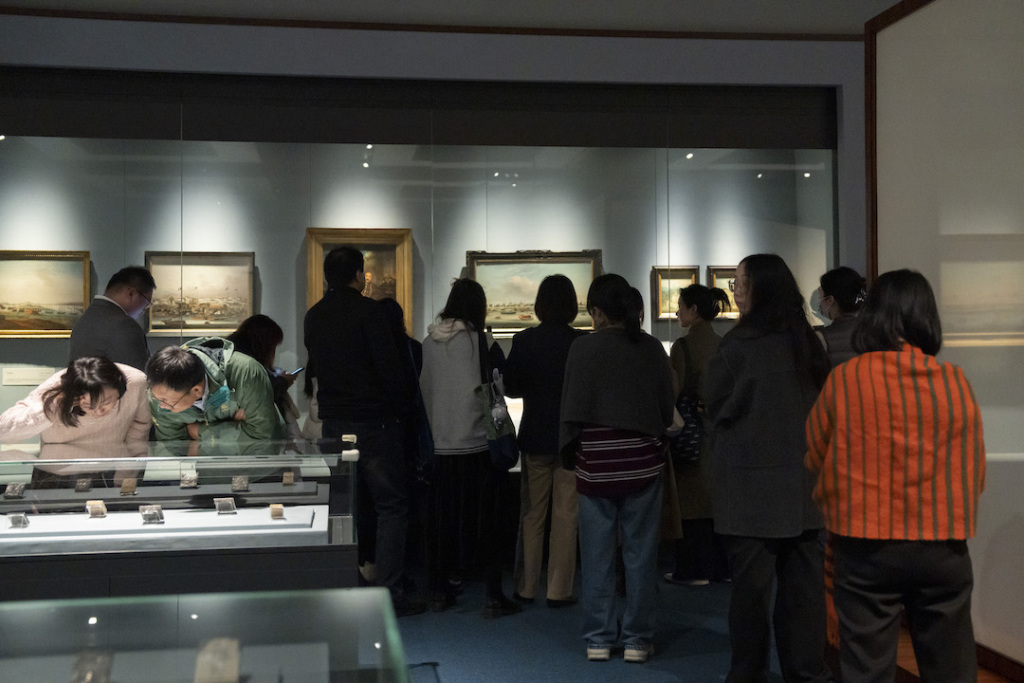
Exhibition site
This exhibition systematically traces the development of Qing Dynasty export art, showcasing nine distinct categories of treasures that complement each other beautifully. "The exhibits cover all aspects of daily life, and many items led the fashion trends of that era. They can be considered a list of 'good Chinese goods' in the eyes of Westerners," said Qin Ya, the curator of the exhibition.
Cantonese embroidery absorbed the principles of chiaroscuro and perspective from Western oil painting. A white satin Cantonese embroidered screen with peacocks, birds, and flowers is meticulously embroidered with colorful silk threads, resulting in clear and lifelike details. Cantonese porcelain combined Jingdezhen white porcelain with Western aesthetics. Works such as the Cantonese porcelain plate with the coat of arms of the Earl of Rose and the plate depicting the Trial of Paris retain traditional Chinese painting techniques while incorporating European family crests and mythological themes, becoming vivid testaments to the exchange between Chinese and Western cultures. Cantonese carving used precious materials such as ivory and tortoiseshell. Works such as ivory openwork sewing boxes and shell-carved pendants depicting the life of Christ showcased the ingenious fusion of Eastern and Western decorative styles through exquisite carving. In addition, export paintings depicting the Thirteen Factories, exquisitely crafted export silverware, export fans popular in Europe and America, and name card boxes integrating multiple crafts comprehensively demonstrate the unique style of Qing Dynasty export art—a blend of Chinese and Western styles, and a symbiotic coexistence of different interests.
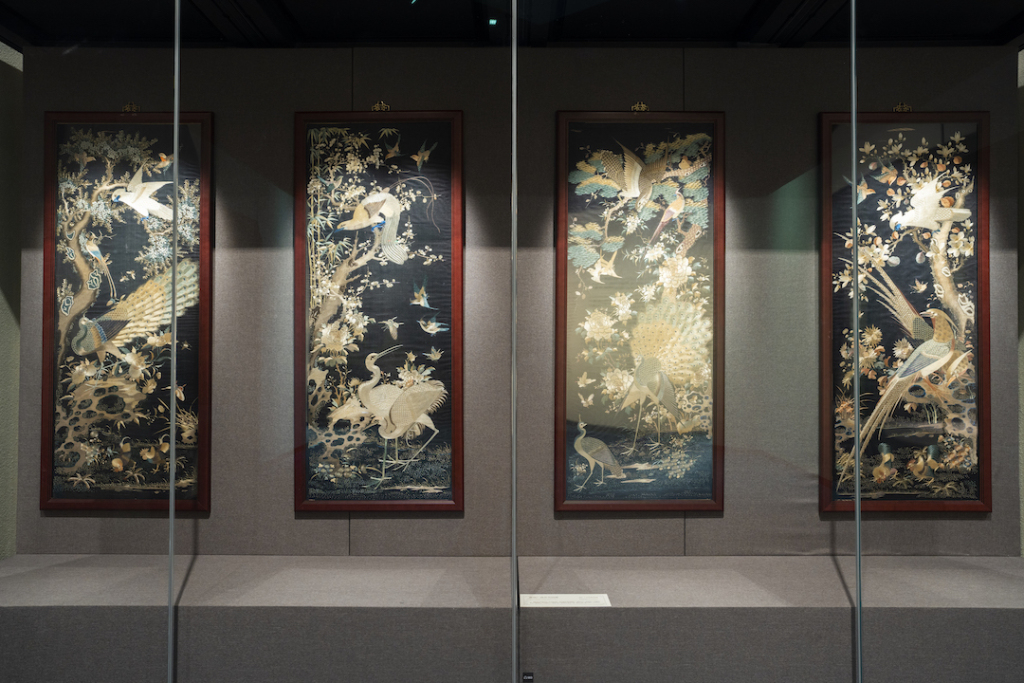
Cantonese Embroidery Black Ground Flower and Bird Four-Panel Screen
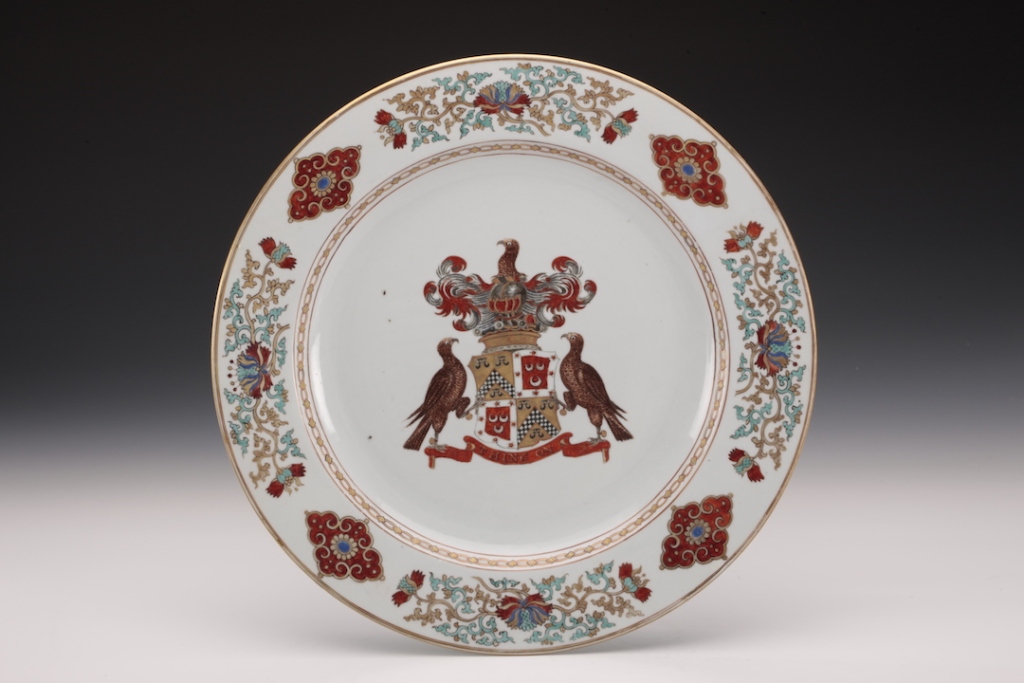
Large Guangcai Plate with the Heraldry of the Earl of Ross, England, during the Qianlong Period of the Qing Dynasty
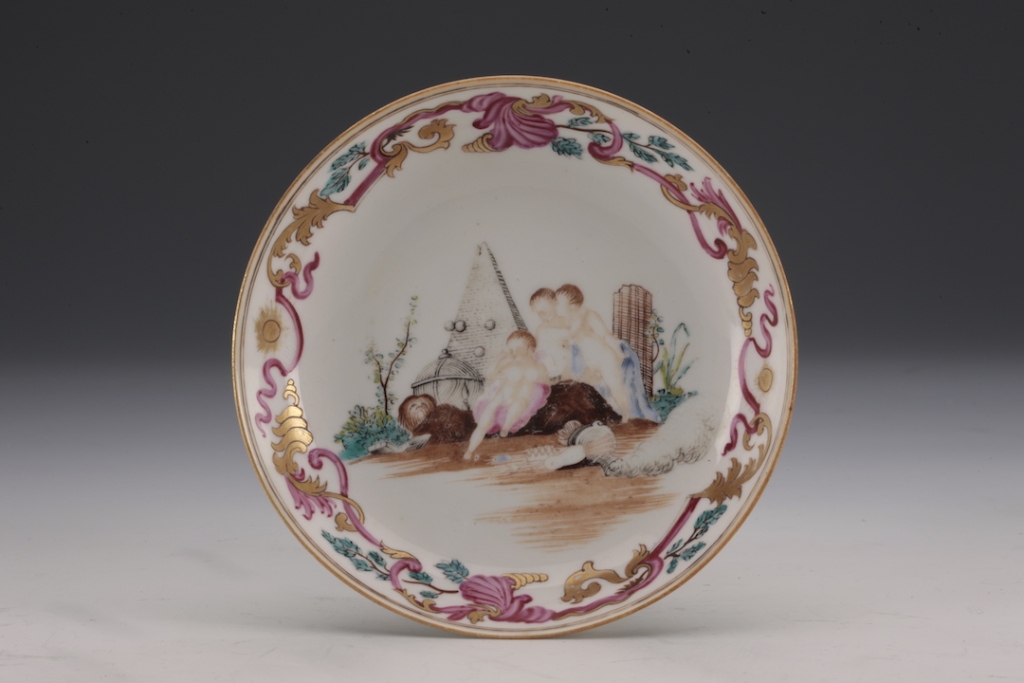
A Qing Dynasty Qianlong period Guangcai (Guangcai) plate with an angel design.
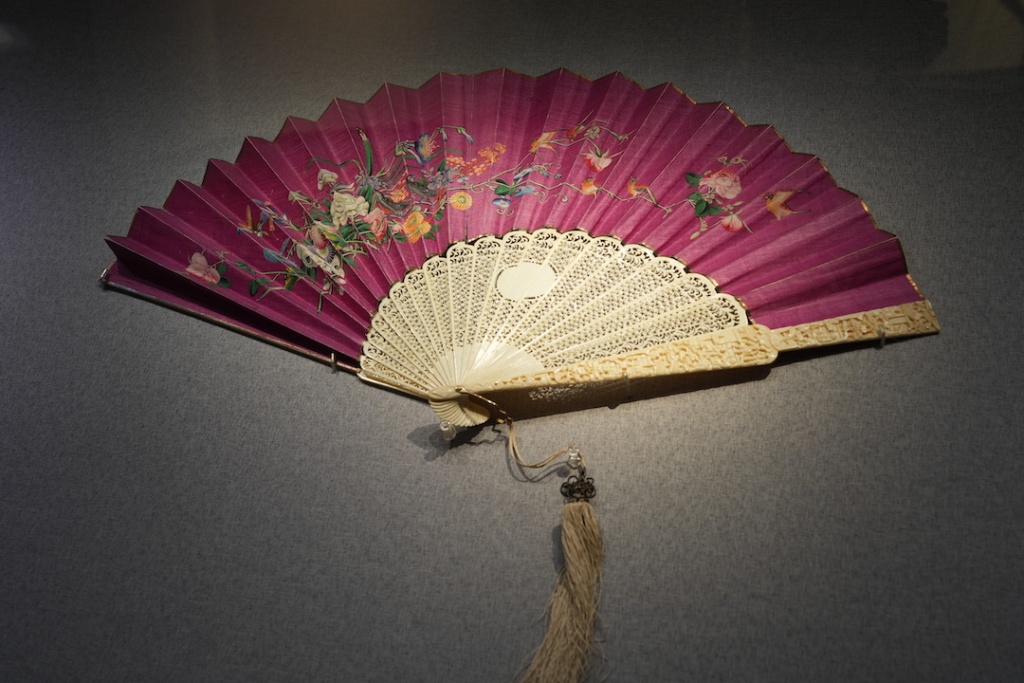
Exhibition display: Qing Dynasty ivory handle badge, white silk surface with painted figures, flowers and birds folding fan
Following the implementation of the "single-port trade" policy in the 22nd year of the Qianlong Emperor's reign, the Thirteen Factories of Canton monopolized the benefits of maritime trade between China and the West, becoming the center for the production and distribution of Chinese export art. Each exhibit is a microcosm of trade history, carrying the glorious memories of the Lingnan region as a global trade hub. An 18th-century sketch by George Chennelly depicting American trading posts and figures captures the bustling scene of the Guangzhou trading district and the thriving Sino-foreign trade in a sketch style; a silver hammer-shaped ewer with a blank background depicting figures and stories bears the "WH" mark, testifying to the commercial legend of "Hongxing," a giant in late Qing Dynasty export silverware; and the French inscription "Nous Ne Changeons Jamais" on a Cantonese blue-and-white porcelain cup and saucer with a coat of arms tells of the transoceanic friendship of European nobles commissioning Chinese porcelain. The exhibition outlines the prosperous scene of the Maritime Silk Road at that time, providing a direct presentation of that period of East-West exchange.
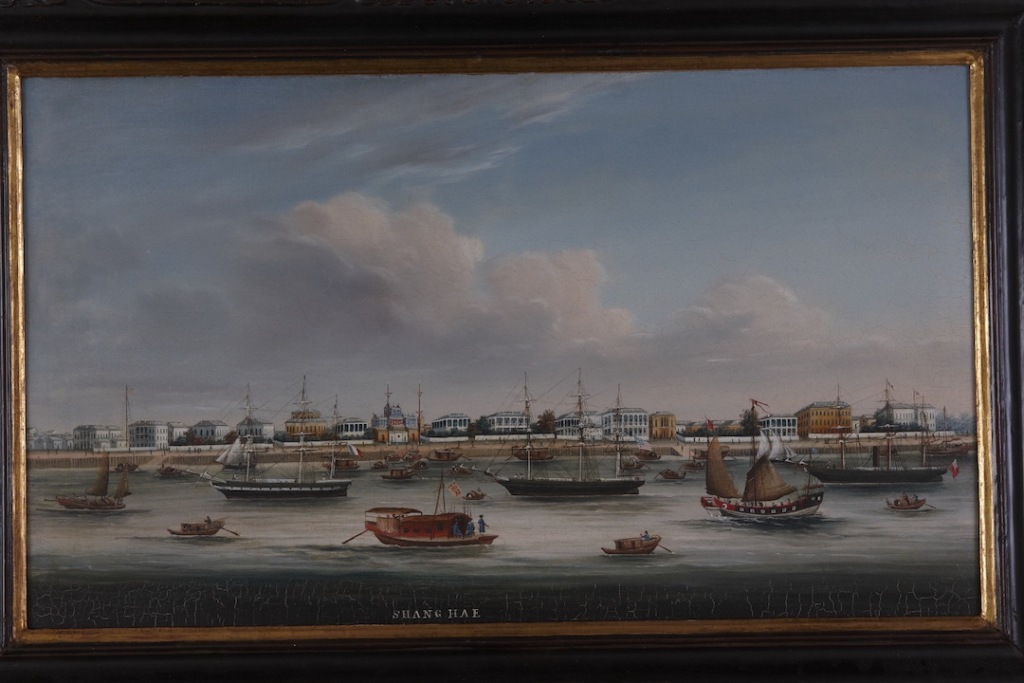
Nanzhen Art Studio logo; Nanzhen's painting of the Shanghai Bund
A set of precious "Bund Images" in the exhibition recreates the Bund's appearance in Shanghai during the early days of its opening to foreign trade, attracting visitors to stop and watch. This export painting, marked as coming from the studio of Nan Zhen, a famous export painter from Guangzhou in the 19th century, depicts the Bund scene in Shanghai shortly after the opening of the port.
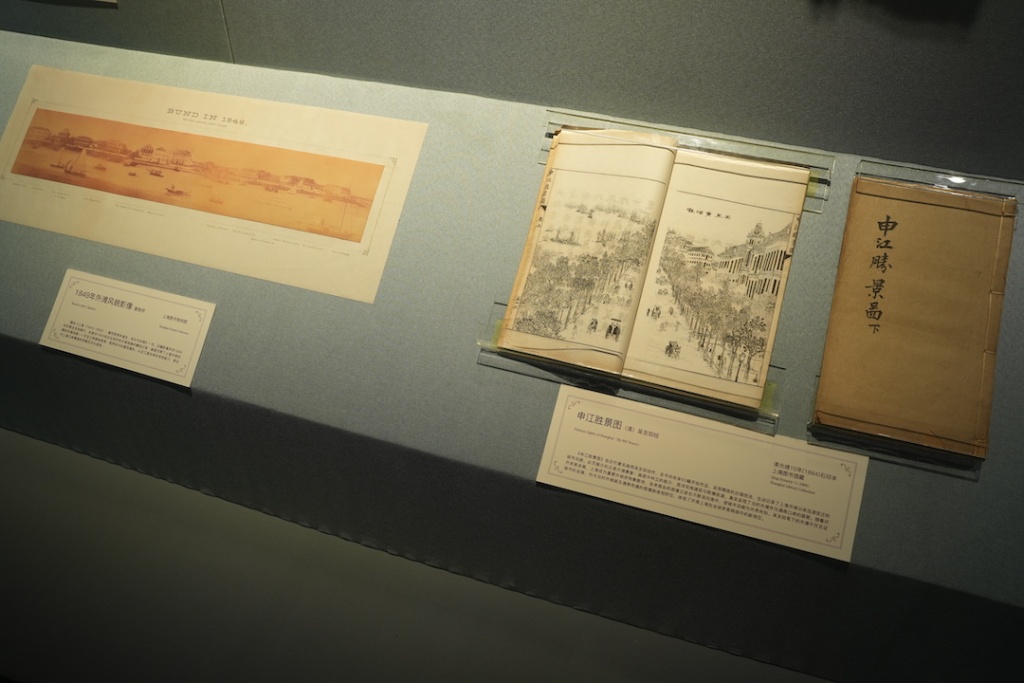
At the exhibition, Wu Youru's "Scenic View of Shanghai" is on display.
Another painting in the Shanghai Library's collection, "Scenic Views of the Bund," published in 1884, by Wu Youru, meticulously depicts the Western-style architecture, boats, and bustling street scenes of the Bund using delicate line drawing techniques. Also from the Shanghai Library, an image of the Bund, excerpted from the book "Shanghai (1843-1893): The Birth, Growth, and Celebration of the Model Concession," showcases an oil painting created around 1850 by an export artist. The original layout of the riverbank, the rudimentary architecture of the early concessions, and the traditional boats on the river represent an early artistic representation of the modern Shanghai port landscape.
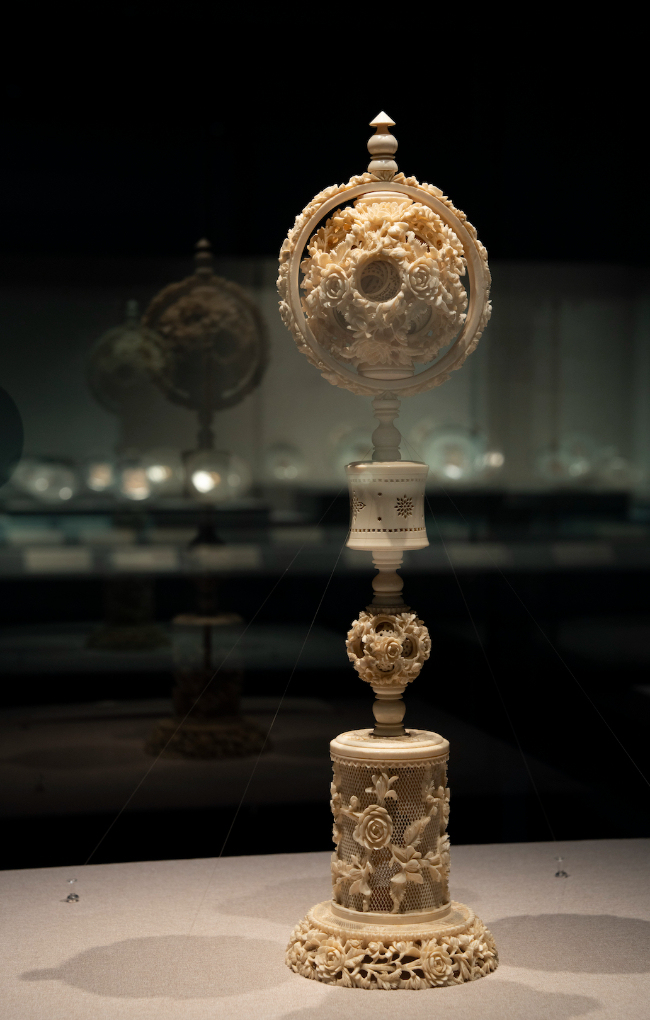
Qing Dynasty Ivory Carved Multi-Layer Ivory Ball Ornament
Dr. Ding Lei, a research fellow at the Guangdong Provincial Museum, stated that Guangdong and Shanghai have a very close historical connection, especially in the early days of the port's opening to foreign trade, when many Guangdong merchants left their mark on Shanghai. The Qing Dynasty export goods on display also have certain connections to Shanghai, as many artisans and merchants visited Shanghai at that time. These export goods are also intricately linked to the World Expo.
For example, one of the exhibited Qing Dynasty ivory carvings, featuring a double-layered, multi-functional ivory ball, is a representative work of Guangzhou's most representative ivory carving technique, known as "devil's work ball" (i.e., nested ball). As early as the 1915 San Francisco World's Fair, Guangzhou ivory carver Weng Zhao won a gold medal for his 26-layered openwork ivory nested ball. This particular ivory carving features a fist-sized ring containing a 16-layered "devil's work ball," each layer with 12 holes, allowing each layer to rotate, showcasing the incredible skill and artistry of the craft.
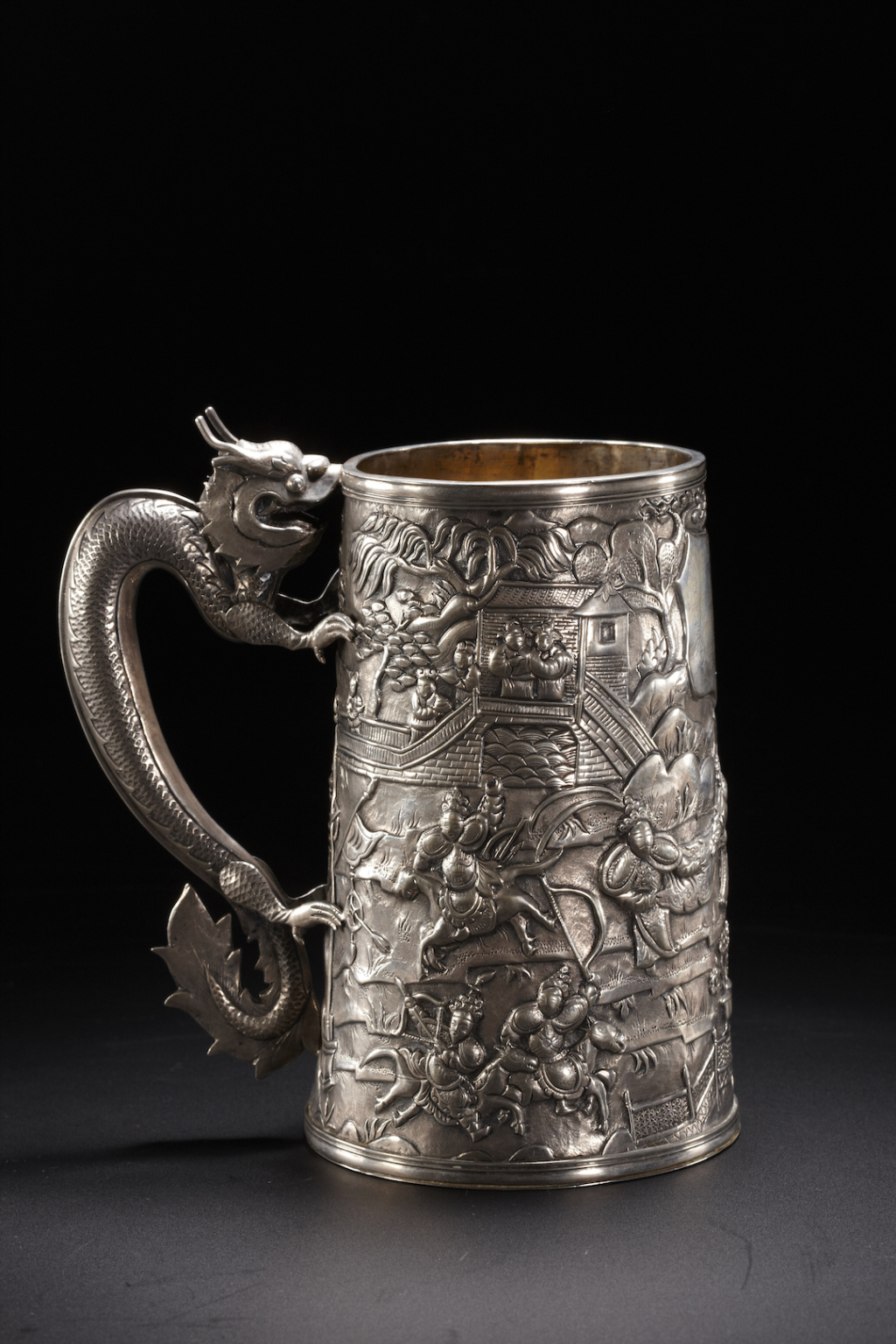
Qing Dynasty export silver beer mug with relief dragon and figure design, bearing the inscription "Shi Yiquan, Kaili Store".
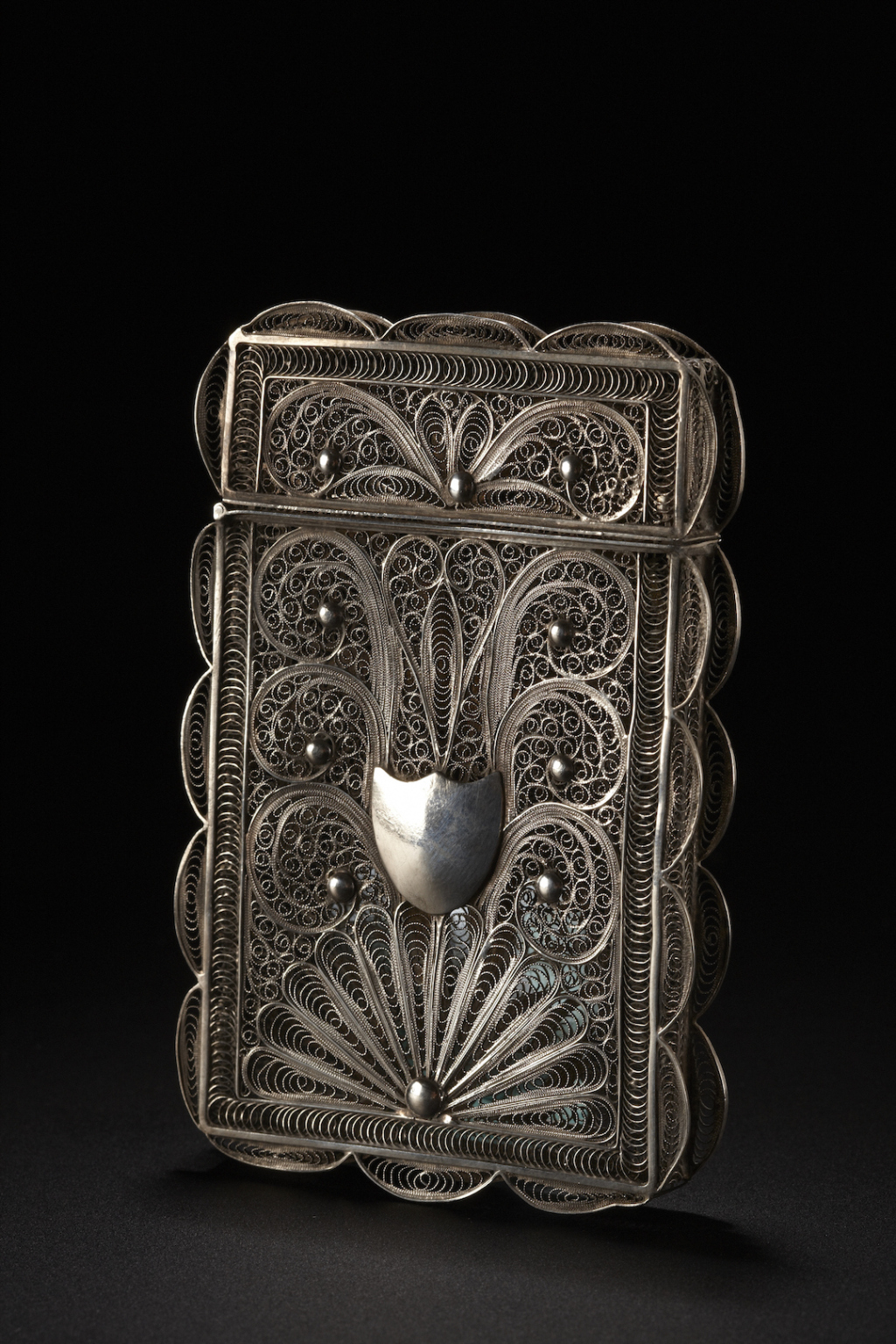
Silver-threaded white-backed badge tulip pattern name card holder
From the trading houses along the Pearl River to the Bund on the Huangpu River, the image of China's treaty ports was constructed through these export artworks, shaping the West's visual perception of the East. The exhibition thus cleverly connects the inheritance and resonance between Guangdong and Shanghai in the history of Sino-foreign trade.
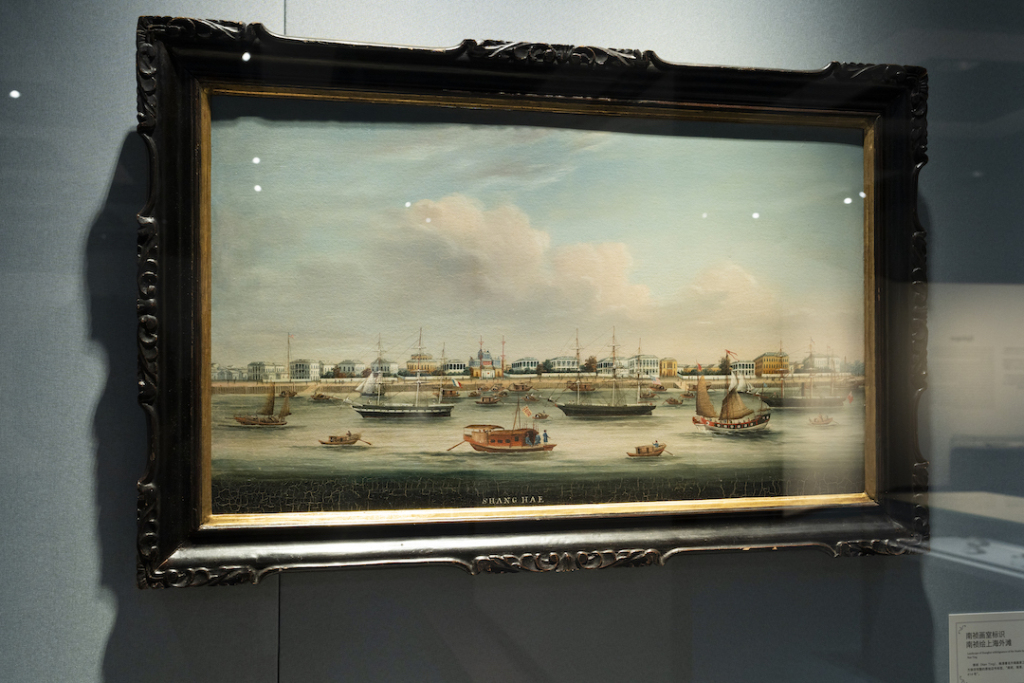
Exhibition site
The exhibition not only gave visitors the opportunity to appreciate more than a hundred exquisite crafts up close, but also built a cultural bridge to look back on history and connect China and the world.
The exhibition will run until March 1, 2026.

100 years ago, Eliot wrote "The Badlands" on Margate Beach
It was 1921, and in Margate, the sunniest October on record was gradually transitioning to a cooler November. On a bench in a shelter by the beach, a tired 33-y...

Recommendation | How much do you know about Rome? From Twenty-Four Hours of Ancient Rome
As stated in the famous saying "all roads lead to Rome", Rome seems to be a place of history where the streets are smooth and brightly lit. Rome, the ...

The 24 Solar Terms and Folk Art | The Coolness of the Summer Solstice in Carved Paper-cuts
The cicadas begin to sing, the summer solstice comes quietly. As one of the earliest established solar terms among the 24 solar terms, the summer solstice has a...