
The ruins of Sui Dynasty porcelain kilns were discovered for the first time in the ancient city of Jinyang, Shanxi
First Sui porcelain kiln ruins at Jinyang Ancient City—“China’s Pompeii” yields mushroom kiln evidence.
At Jinyang Ancient City near Taiyuan—sometimes called China’s Pompeii—excavators report the first Sui-dynasty porcelain kiln remains from the site.
East–west kiln structures and mushroom-shaped kiln columns push the city’s story from buried streets to the workshops that fired early porcelain.
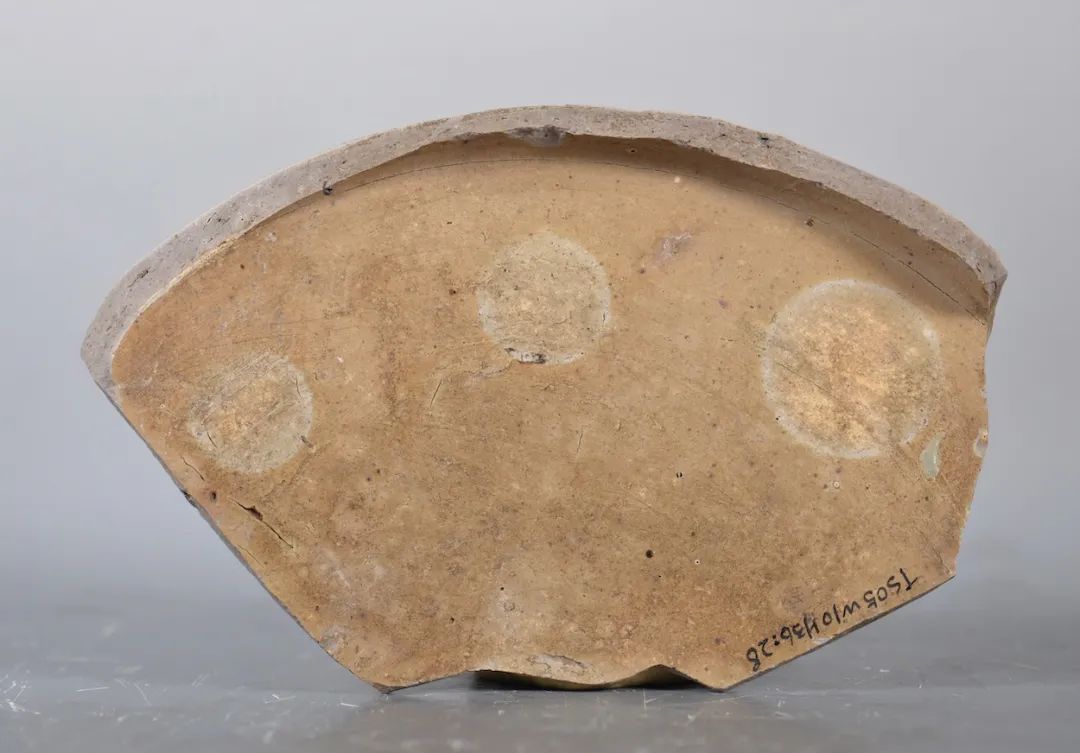
Figure 4 The inner wall of the saggar (specimen S05W10H36:28)
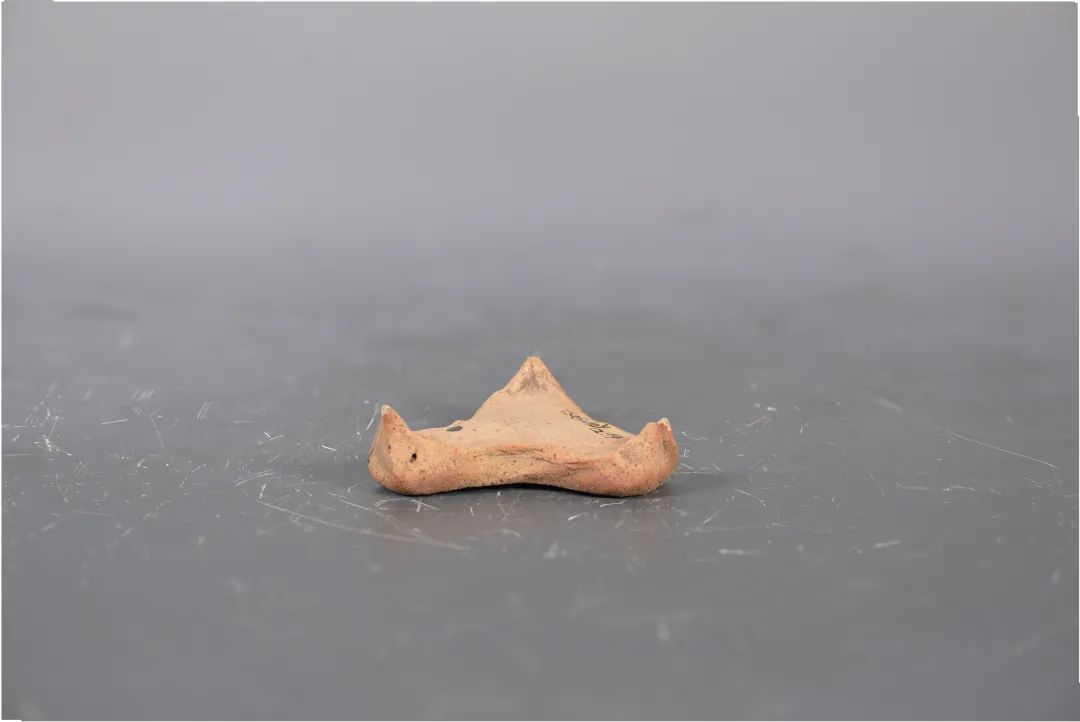
Figure 5 The side of the three-pronged nail (specimen TS05W10Y2: 14)
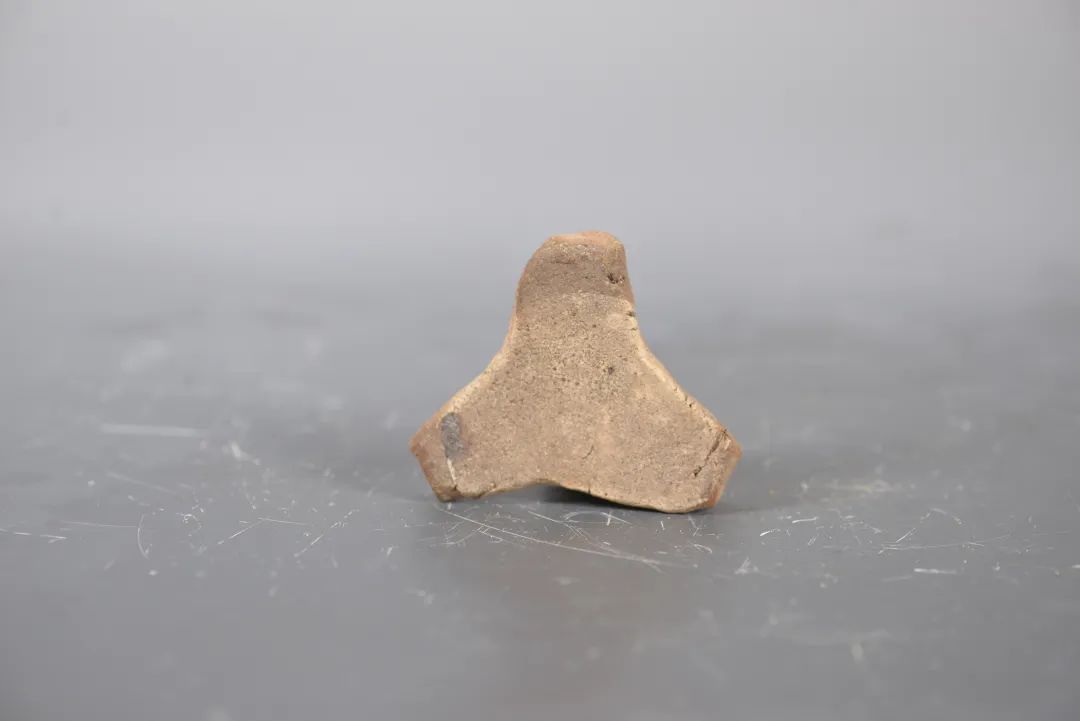
Figure 5 The back of the three-pronged nail (specimen TS05W10Y2: 14)
The porcelain pieces unearthed in the excavation area are mainly celadon and white porcelain, and there are also two plain-bodied porcelain sculptures. The main identifiable types of white porcelain are jars, bowls, cups, bowls and lids (Fig. 6); the glaze color is mostly white with greenish or yellowish white, and basically thick white makeup soil is applied (Fig. 6). 7), some of the glazes are severely eroded and have lost their luster; some are well preserved, and the glazes have finely broken pieces. In addition, a very small amount of fine white porcelain was unearthed, and the glaze was aqua green, and the light was transparent. The main identifiable types of celadon are pots, urns, bowls, basins, bowls, bottles, lampstands, spinning wheels, etc. (Figure 8); The glaze surface is severely eroded and lost its light, some are seriously peeled off, some are very uneven in thickness, some are well preserved, and the jade texture is very strong; the porcelain body is mainly mud, and only one plain body porcelain is Muddy sand. Whether it is white porcelain or celadon, the fetal color is mostly blue-gray, gray-white and yellow-white, and most of the utensils show reddish-brown in the exposed part of the body. The firing temperature of large-sized celadon ware is generally higher, and the firing temperature of small-sized cosmetic white porcelain is mostly Slightly lower, and fine white porcelain has a higher heat.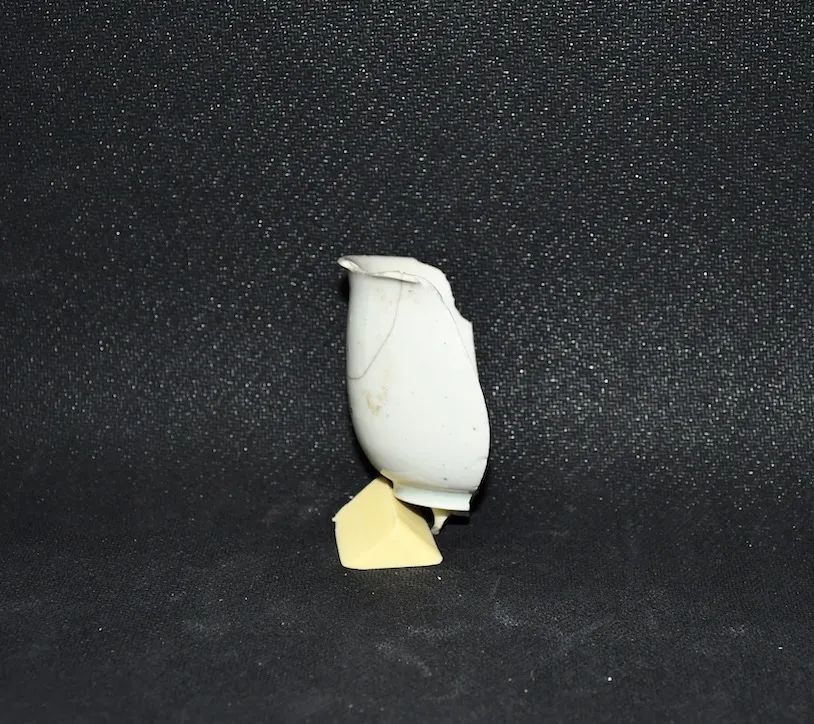
Figure 6 Fine white porcelain cup (specimen TS05W10H36: 32)
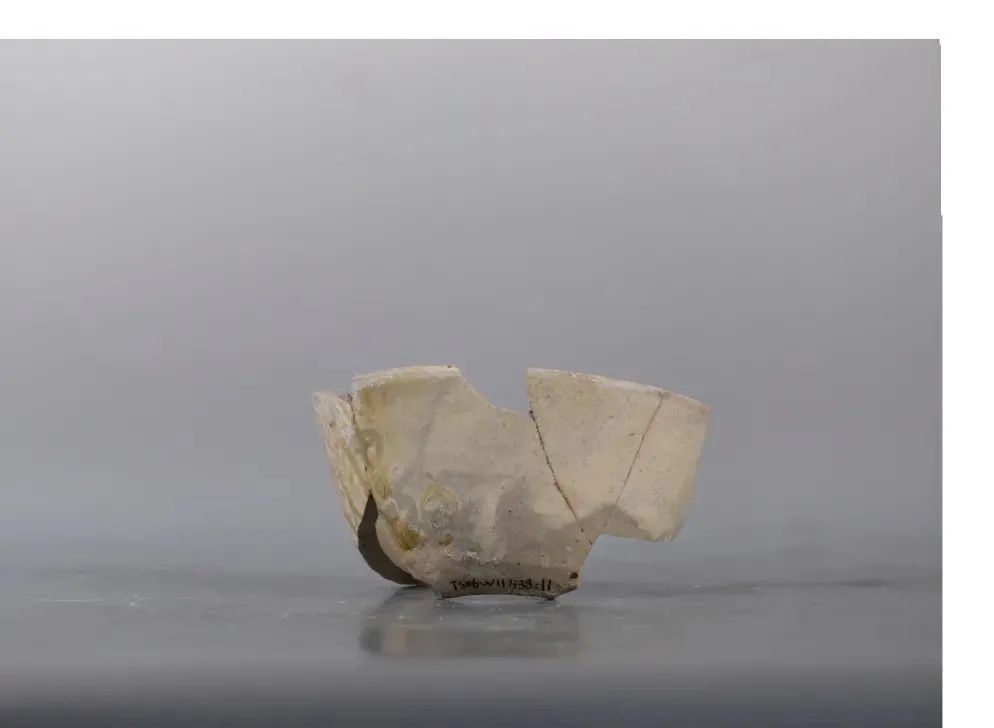
Figure 7. Cosmetic white porcelain bowl (specimen TS06W11H38:11)
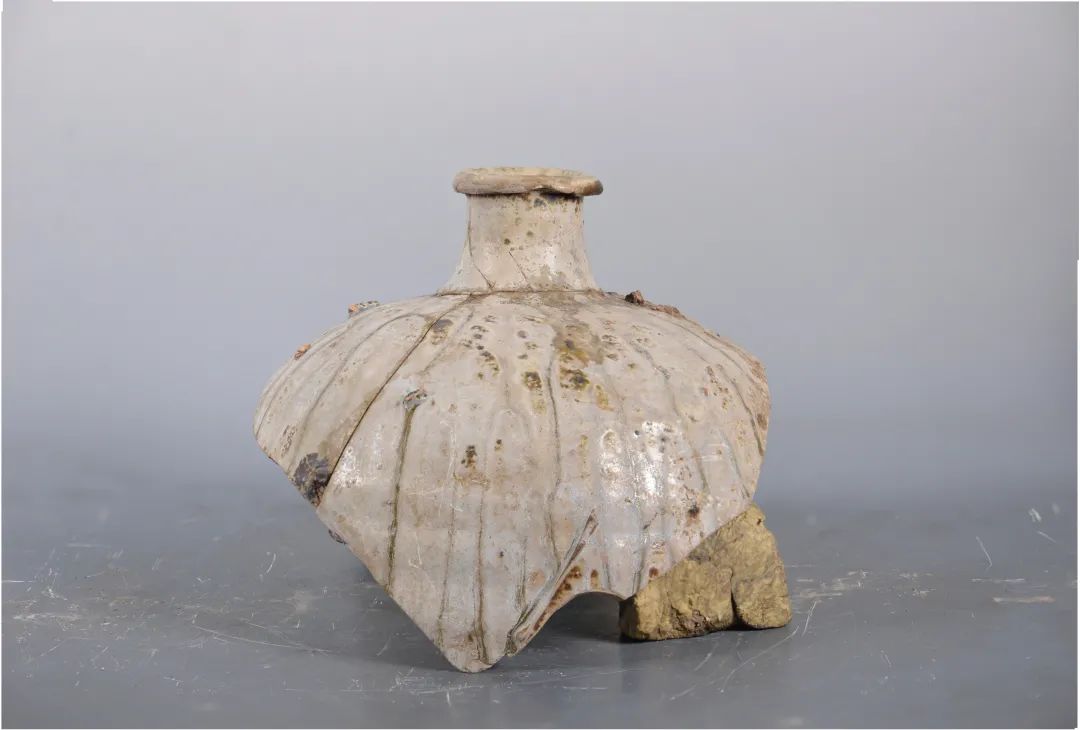
Figure 8 Celadon long neck arc belly jar (specimen TS05W10H36:12)
The Jinyang Ancient City Porcelain Kiln Site is located in the Jinyang Ancient City Site, in the southern part of the Palace City from the Northern Dynasties to the Tang Dynasty. The excavated porcelain kiln site opens at the ⑤b level. Layer ⑤b is the cultural layer in the early Tang Dynasty, and below it is the foundation site of the Northern Dynasties.From the analysis of the remaining relics of the porcelain kilns, the porcelain kilns are all horseshoe-shaped steamed bread kilns, which are composed of a fire chamber, a kiln room and a flue. The ventilation duct of the kiln should be on the working surface, but it has been damaged and cannot be confirmed. A large amount of charcoal ash was found in the fire chamber, proving that the fuel used in the kiln was charcoal. Judging from the relics and unearthed relics, the use time of the porcelain kiln is very short, and there are not many kinds of fired products. Mushroom-shaped kiln furniture is the main supporting burning tool, and there are a small amount of trumpet-shaped kiln furniture. The unearthed celadon and cosmetic white porcelain should have been fired naked between such kiln furniture, but fine white porcelain used saggars. To be upside down, that is, the mouth is down and the feet are up.
The unearthed utensils have obvious characteristics of the Sui Dynasty or the early Tang Dynasty. We judge that the era of the porcelain kiln may be the Sui Dynasty. It has not been used for a long time. Inside the palace city, this is an important Sui Dynasty porcelain kiln. This kiln site is the earliest porcelain kiln site discovered in Shanxi, which fills the gap of relevant research and is of great significance in the study of ancient Chinese ceramics.
(This article was originally published in Wenbo China, author units: Shanxi Provincial Institute of Archaeology, Shanxi Provincial Institute of Ancient Architecture and Color Sculpture and Mural Protection)

Han–Wei Ancient City Ruins Museum opens in Luoyang
Luoyang’s capital-site museum—from Western Zhou roots to Northern Wei in one ruins narrative.

The largest prehistoric city site discovered in China, Shimao Ancient City, was primarily inhabited by people from the Yangshao people.
The Shimao site in Shaanxi Province, hailed as a "groundbreaking" site, was first built around 4,300 years ago. It is a super-large stone-built city s...

Osaka reopens with Mi Youren and Zheng Sixiao
Osaka City Museum of Art reopens—masterpieces by Mi Youren and Zheng Sixiao lead the return.