
Four faces of Han civilization at the Suzhou Museum
Suzhou Museum’s Han civilization hang—“the world is peaceful” across four faces of the age.
After Qin, the Han empire built a second unification—and Shanghai Museum’s The World Is Peaceful gathers its material faces in one route.
Pottery dancers, Liu He’s silver-thread jade suit, and bronze lamps turn “Han” from textbook dynasty into workshop, tomb, and court craft.
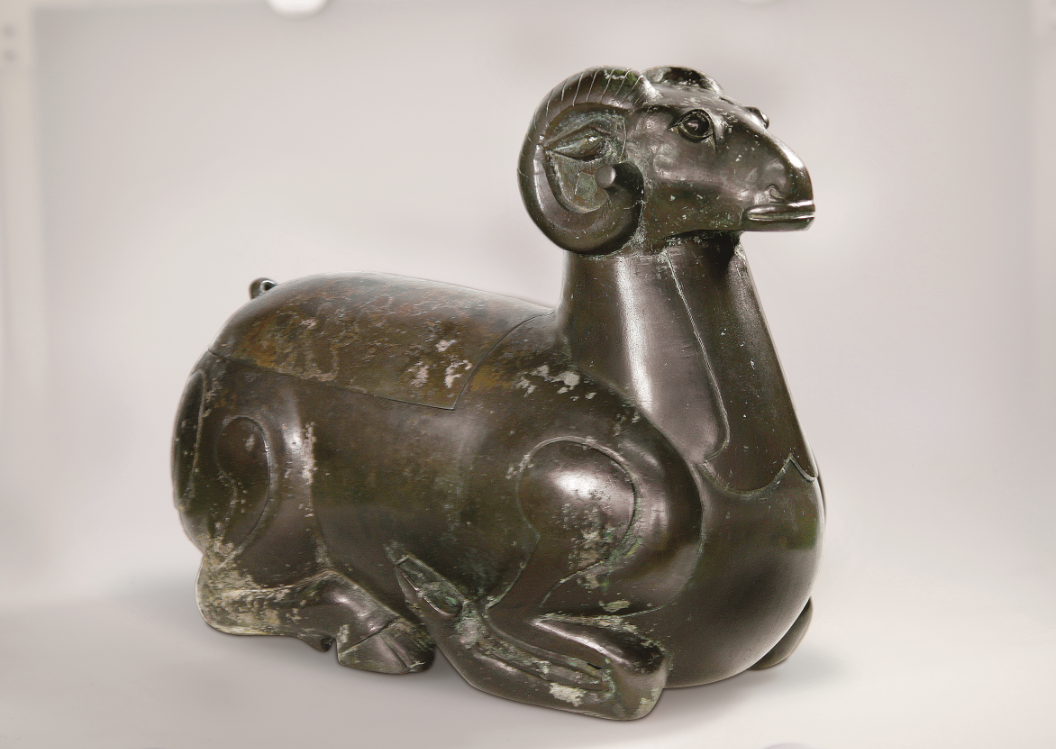
Bronze Yangzun Lamp (after the lamp panel is buckled)
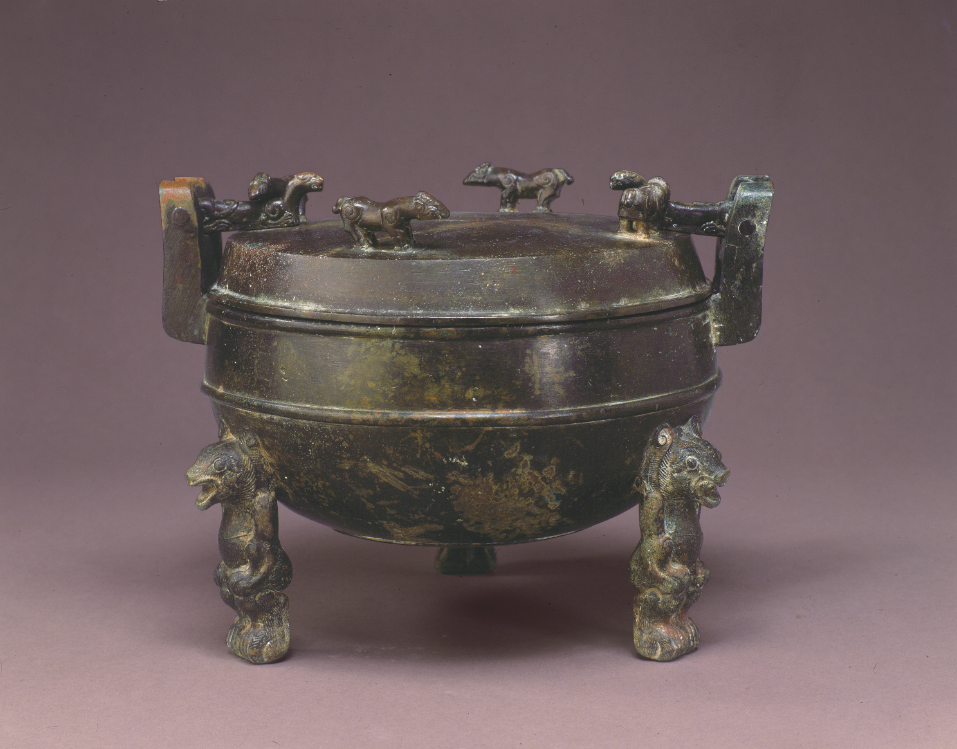
Bear's foot bronze tripod
The exhibition presents many classic elements of Han Dynasty art in its formal design. The exhibition hall uses black, yellow and red, which were advocated by the Han Dynasty, as the basic tones, interspersed with motifs from the Han Dynasty portrait stones, bronze mirrors, and lacquer ware as the shading. Plastic exhibition space.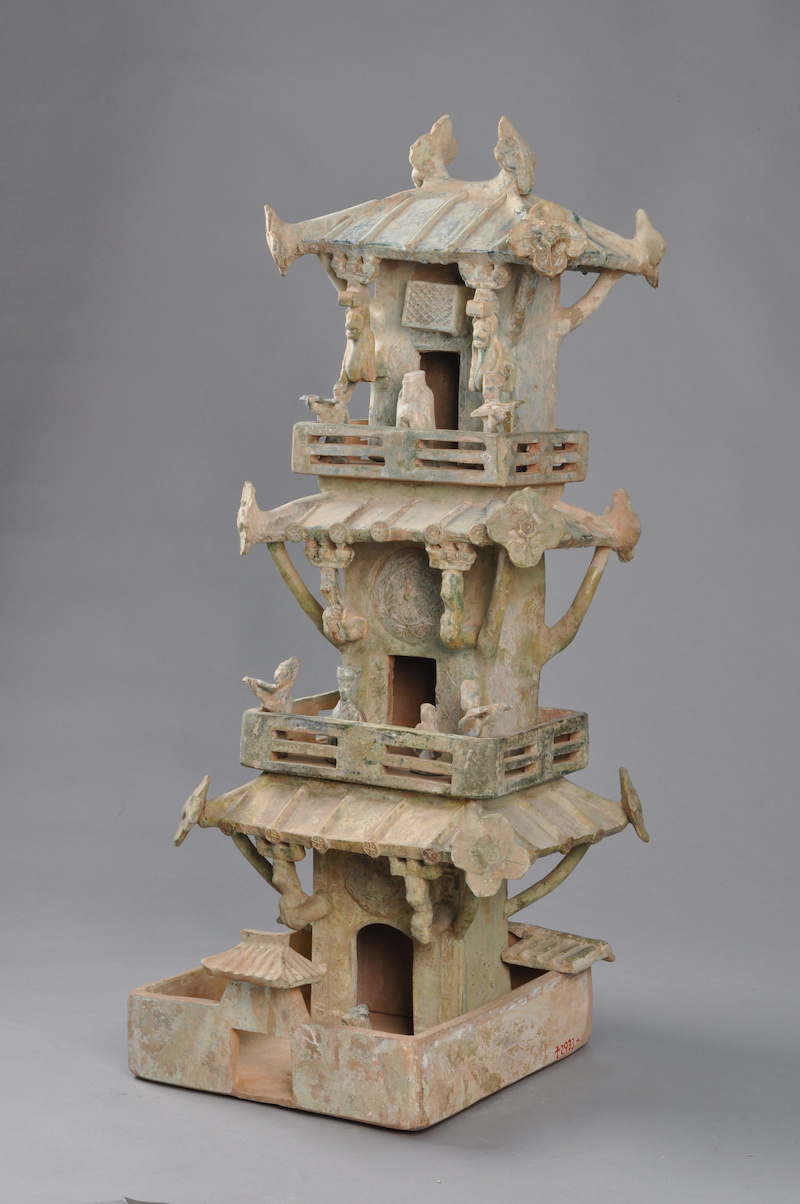
Green glazed three-story pottery building
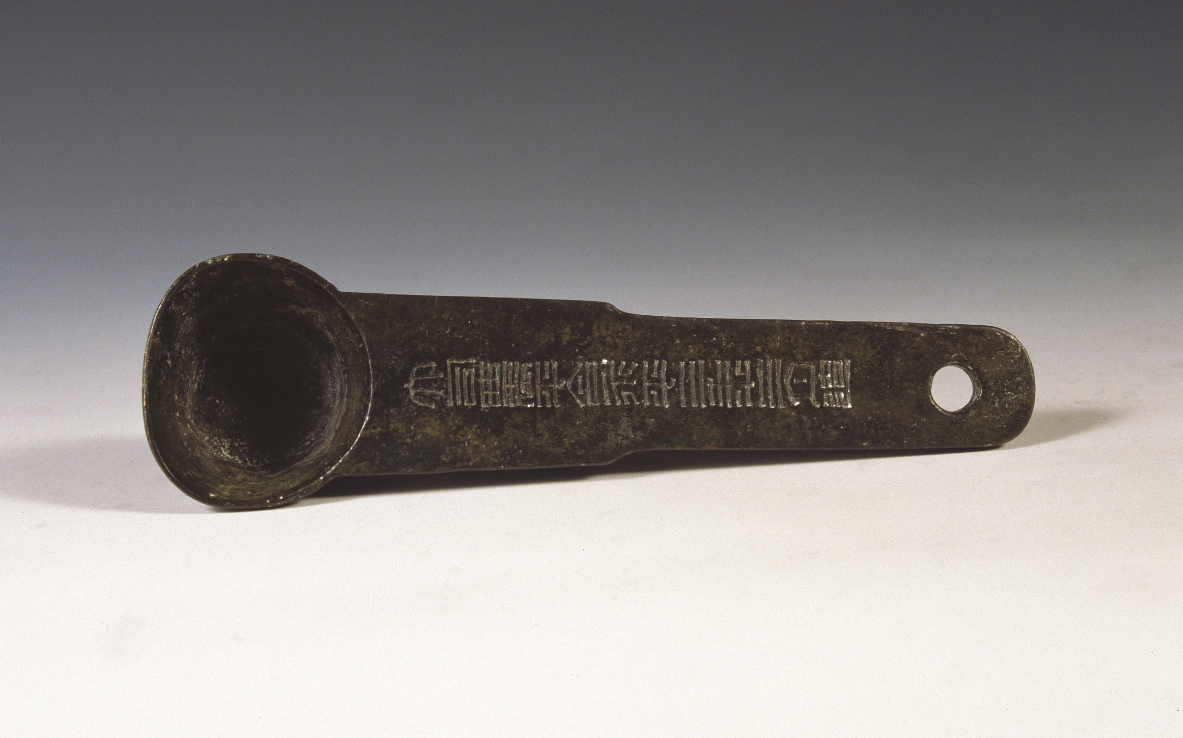
Tongda Si Nong leveling and bucket inspection seal
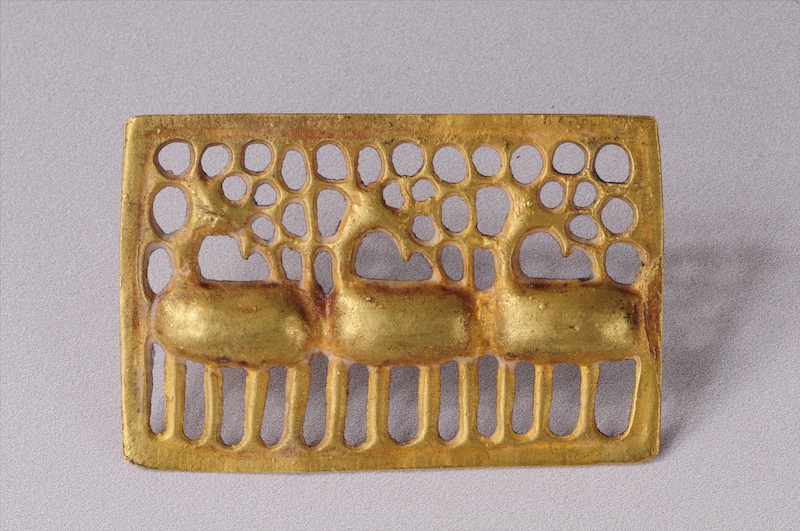
Three deer pattern gold ornaments
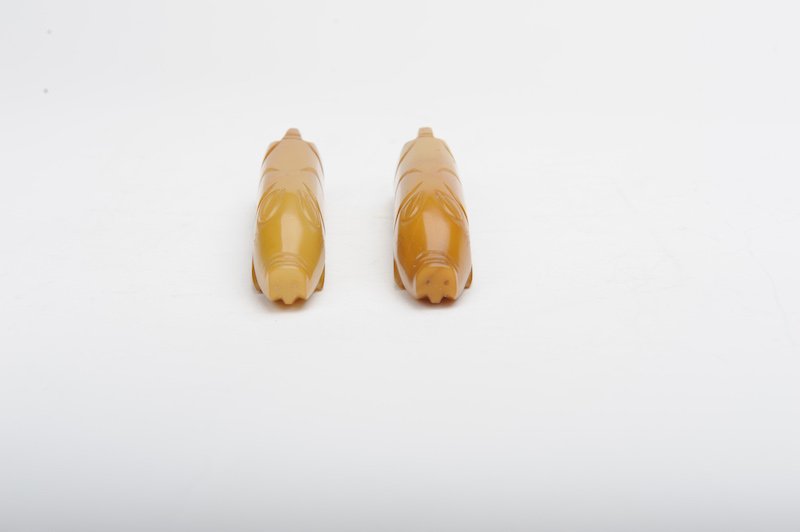
Round Carved Hetian Topaz Grip
The special exhibition "Rome: City and Empire" at the British Museum is on display in the West Hall of Suzhou Museum, and will end in September at the same time. Therefore, in the process of restoring the social details of the Han Dynasty, the exhibition attempts to compare the similarities and differences between the rise and fall of the Eastern and Western empires, and create a dialogue across regions.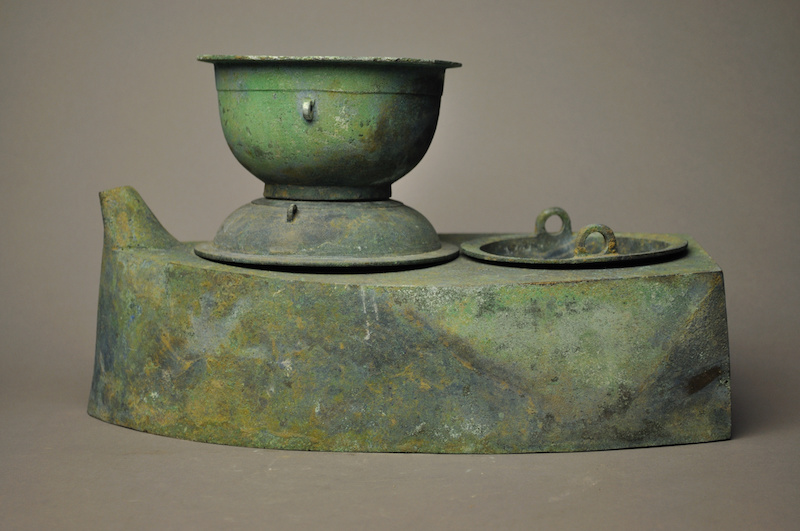
Green Glazed Pottery Stove
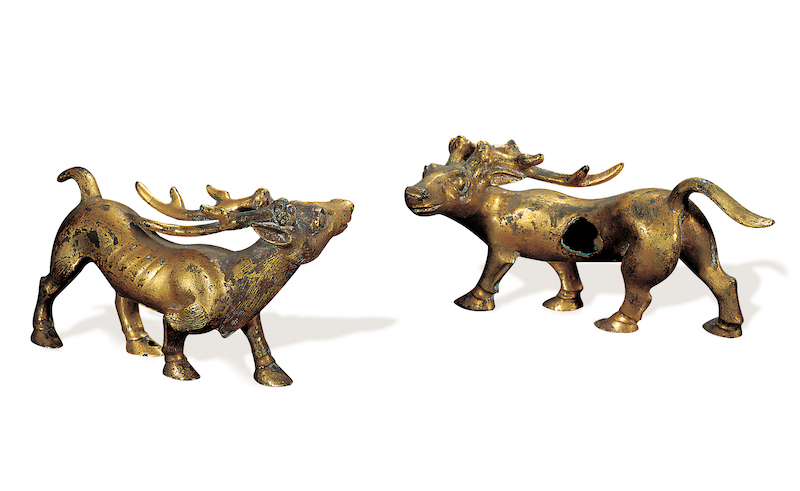
Gilt deer bronze ornament
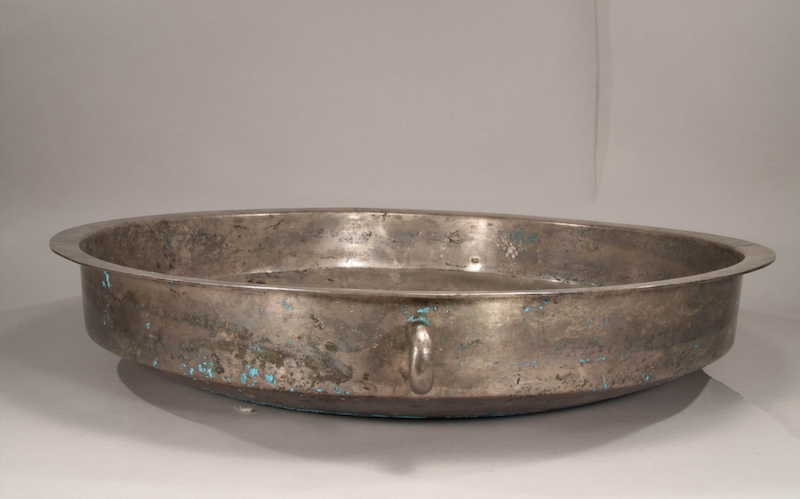
Remember the inscription silver mirror
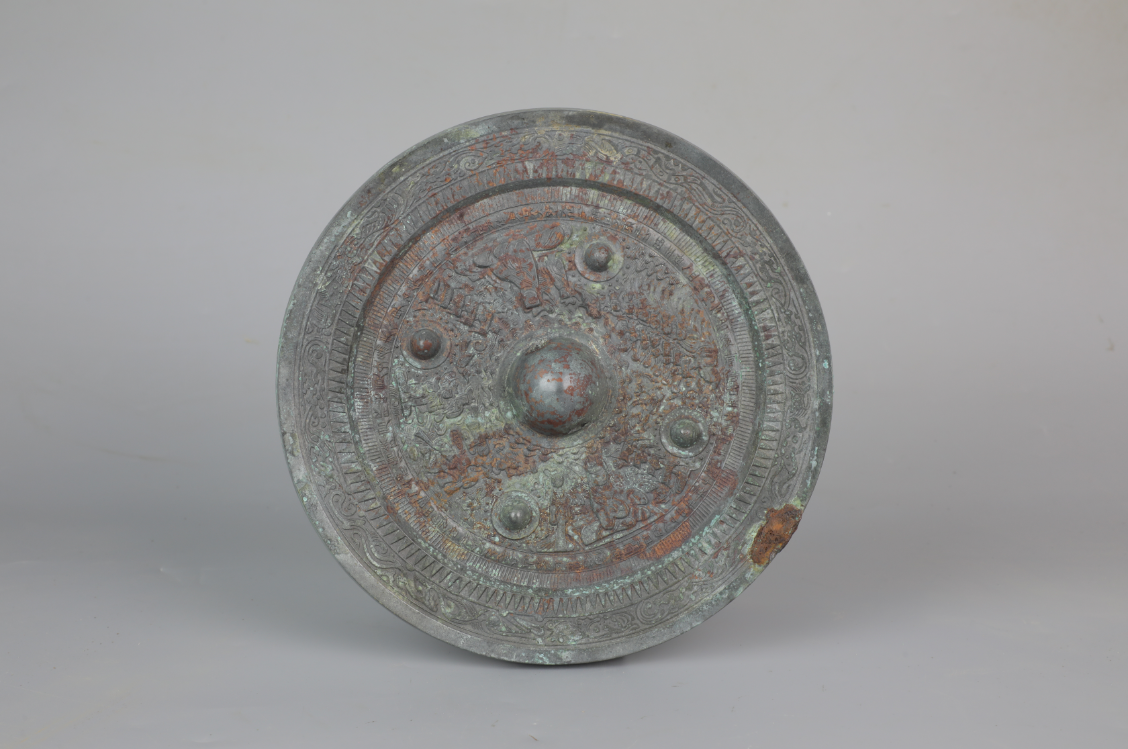
Du's Immortal Character Inscription Bronze Mirror
The Han Dynasty and the Roman Empire were similar in time and had many common characteristics of the times, and even historical records also left the imprint of the exchanges between the two. Unlike the Roman emperors, the emperors of the Han Dynasty were not keen to show their faces to the world, so they could not see coins with their faces crossing the mountains and seas, nor did they see stalwart life-size statues standing in temples. However, this does not affect the establishment of the authority of the emperor in the Han Dynasty, nor does it prevent the material culture and graphic art of the Han Dynasty from standing proudly in the world history for thousands of years. The princes in the court are willing to eat and wear delicious clothes, the generals on the battlefield are sharp and strong, the people in the market make ingenious tools, and in the fairy world, the sea, beasts, mountains and spirits live. Art in the Han Dynasty can often reproduce a scene with only a vague face, and achieve a figurative depiction of social life and a grand historical narrative appeal.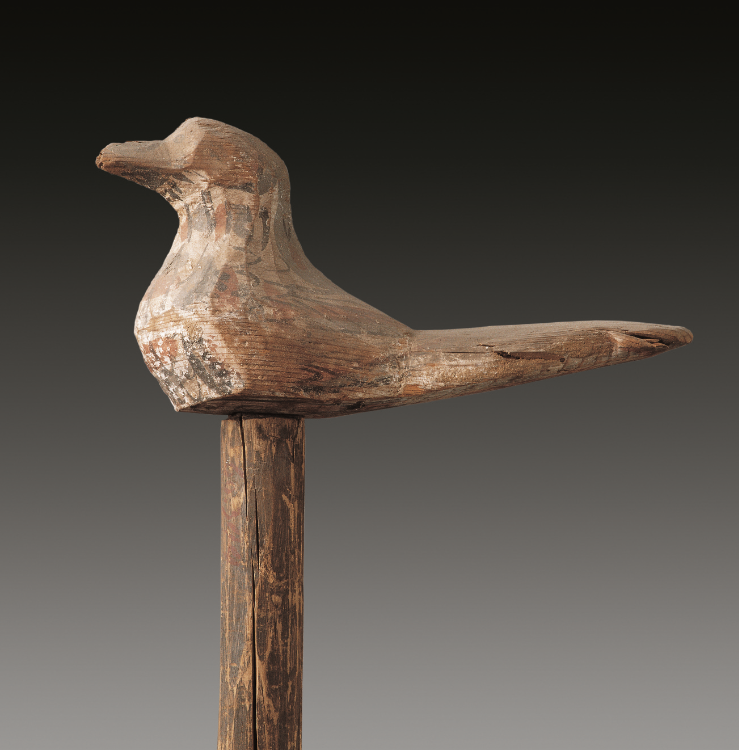
Painted Wooden Dove Staff
"However, whether it is 'the world is peaceful, the system is reformed to change customs' in "Records of the Grand Historian, Tai Shigong's Preface", or the 'China Daning, the descendants Yichang' on the Xinmang bronze mirror, the peace of the family and the country is the most extreme spirit of the Han people Recourse. The reason why the Han Dynasty gained the celestial lineage was also due to the power of 'inheriting the change and making people tireless'. This exhibition is the first exhibition of the Suzhou Museum's 'Ancient Civilization Series' exhibition. Looking forward to the world, looking forward to Yongning." said the curator of Suzhou Museum.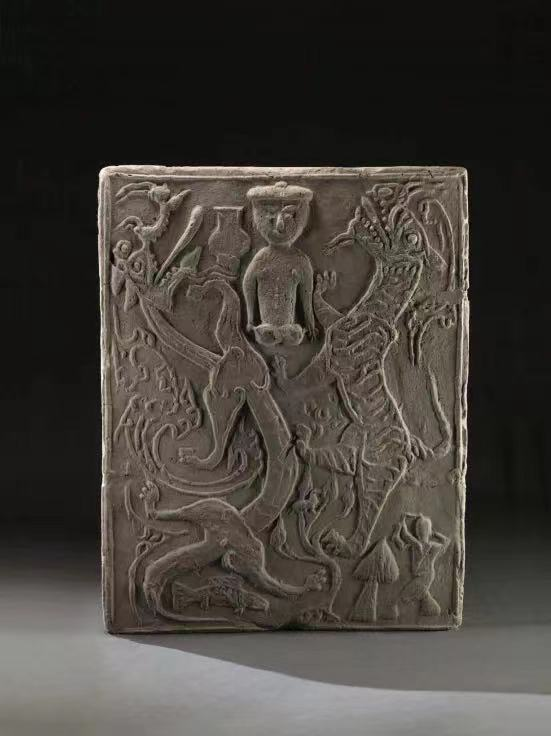
Bricks of the Queen Mother of the West Collection of the Han Suzhou Museum
During the exhibition, the organizer also co-organized a series of lectures on the special exhibition titled "The World is Peaceful: Four Faces of the Civilization of the Han Dynasty", including Professor Zheng Yan's "Old House" or "Old Homeland"? ——Observation on the Stone Tombs of the Han Dynasty in Southern Shandong and Northern Jiangsu”, “Meteorology of the Han Dynasty—Cultural Tour of the Han and Han Dynasties in Xuzhou” by Geng Jianjun, researcher of Xuzhou Museum and former director of the Archaeological Department of Xuzhou Museum; The Discovery and Research of Yangzhou Museum and Yangzhou China Woodblock Printing Museum Curator Shu Jiaping's "Moonlighting the Ancients - A Summary of the Han Dynasty Archaeology in Yangzhou Area", etc.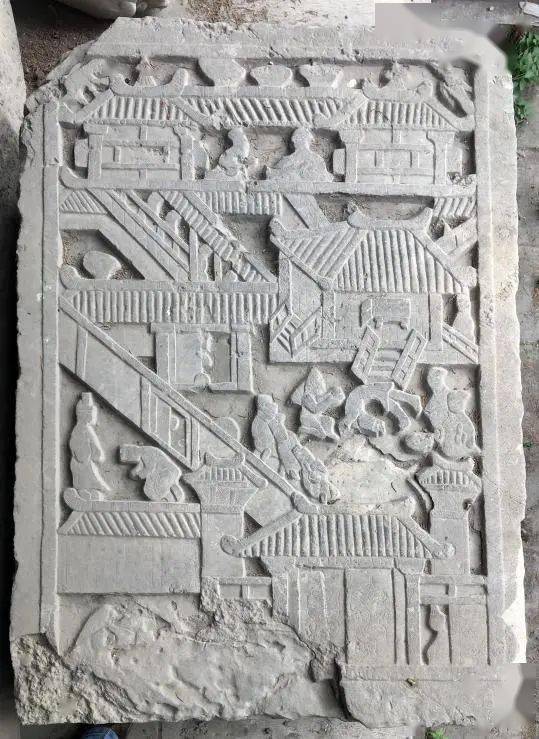
Eastern Han portrait stone in Jiuxian County, Qufu, Shandong
(This article is based on information provided by the Suzhou Museum.)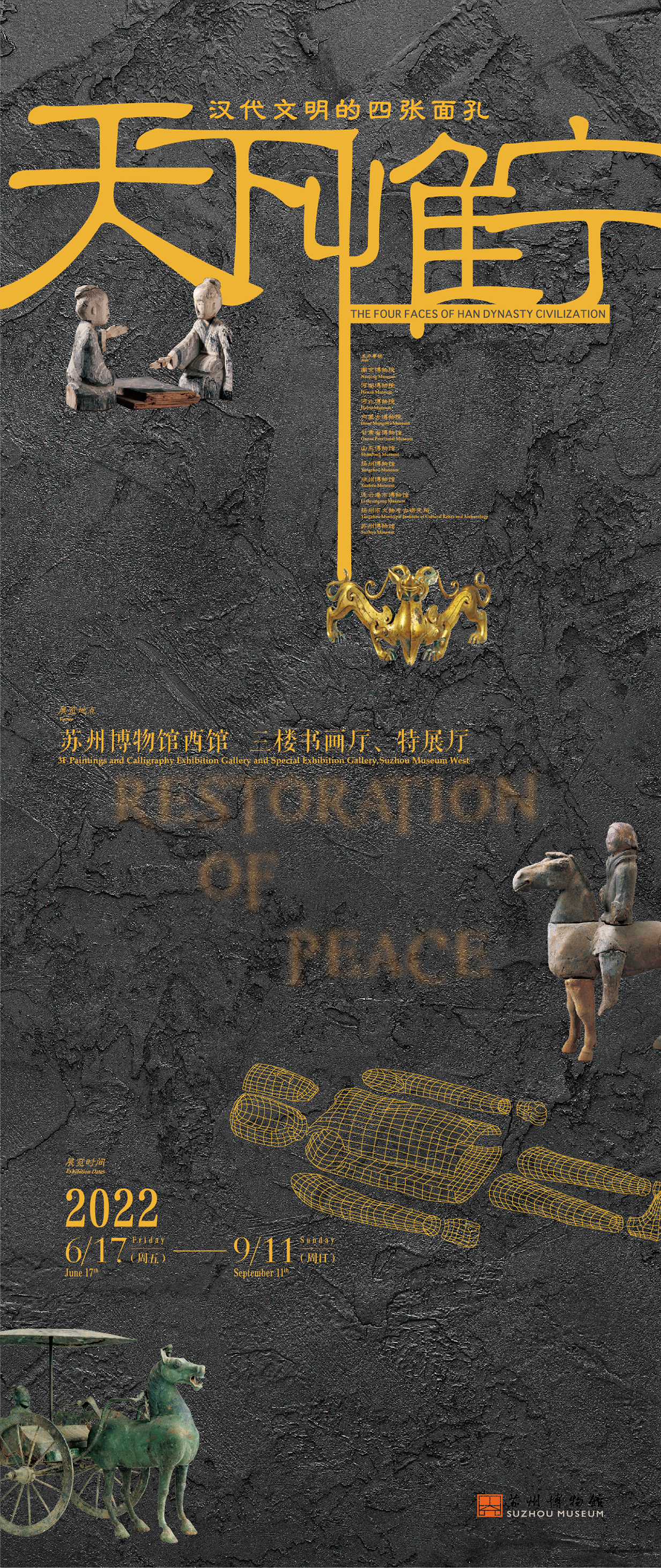
Exhibition poster
Filed under

Song Huizong and four Song masterpieces in Zhejiang
Huizong and four Song landmarks in one Zhejiang room—court taste and masterpiece status.

Mawangdui in Shanghai: Han lacquer and silk tombs
Changsha’s Mawangdui on view in Shanghai—lacquer, silk, and tomb goods that reopen Western Han life.

Gao Menghe on curating the Hongshan special show
Academic consultant Gao Menghe on the Hongshan exhibition—jade, ritual, and Neolithic spectacle.