
Li Gonglin’s Five Horses return after 900 years
Northern Song equine mastery on view again—why Li Gonglin’s Five Horses still stops the room.
Taipei’s National Palace Museum mounts “Thousand-year Divine Encounter: Legend of the Xiyuan Elegant Gathering in the Northern Song Dynasty” this October, with fifty-four works on the list. Among them, Li Gonglin’s Five Horses—a painting handed down for some nine hundred years—returns to public view as a centerpiece of Song literati legend.
Among them, "Five Horses" is considered to be the only masterpiece in the world that shows the fusion of high reproducibility and high expressiveness that can be achieved in Northern Song Dynasty paintings.
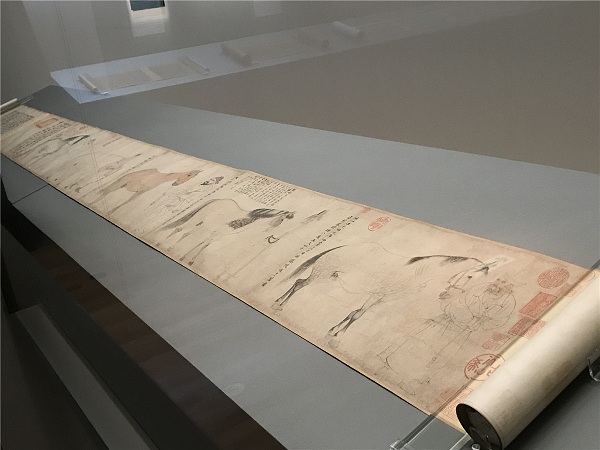
Song Dynasty "Five Horses", exhibition site in Japan in 2019. The press
The Five Horses Scroll has been in existence for more than 900 years and has been passed down in an orderly manner. It was originally collected by the Qing Palace. During the Republic of China period, the last emperor Puyi smuggled it out of the palace in the name of rewarding Pujie. According to Zhang Boju's "Spring Tour Miscellaneous Talks", when Puyi lived in Zhangyuan, the Japanese concession in Tianjin, the Japanese obtained the Song Liang Kai scroll for 20,000 yen. This matter was handled by Chen Baochen at the time. After the matter was completed, a Japanese marquis wanted to get Li Gonglin's Five Horses Scroll for 40,000 yen and present it to the Japanese emperor. At this time, Puyi was willing to sell 40 pieces of calligraphy and paintings for 400,000 yen, and the Five Horses Scroll was presented to the Japanese emperor without asking for a price. This matter was handled by Chen Baochen again, so he awarded the 40 pieces of calligraphy and paintings to Chen Baochen's nephew Liu Kechao in the name of Puyi. Liu used four of them to mortgage 40,000 yuan to Tianjin Salt Bank, including "Autumn Mountain Flat Distance Picture", "Five Horses Picture", "Imitation of Huaisu's Calligraphy" and "Yaoshan Autumn Clear Picture". Two months after the deposit, Liu returned 10,000 yuan and took away the "Five Horses". Since then, where and in whose hands the "Five Horses" is hidden has been shrouded in mystery. After World War II, it was claimed by a Japanese collector that it was destroyed in the war. Until 2019, the Tokyo National Museum suddenly exhibited the "Five Horses" donated by an anonymous collector in the exhibition "Yan Zhenqing: A Famous Pen Beyond Wang Xizhi", which shocked countless calligraphy and painting enthusiasts.
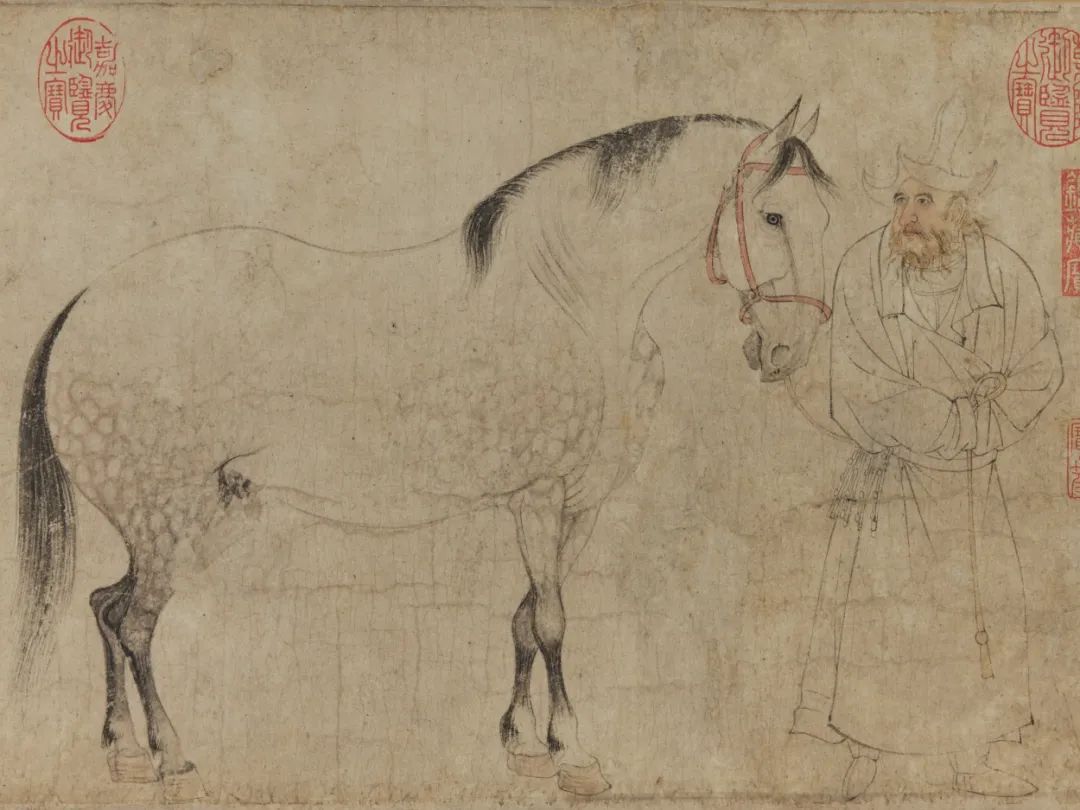
Part of "Five Horses" by Li Gonglin of the Northern Song Dynasty, collected by Tokyo National Museum
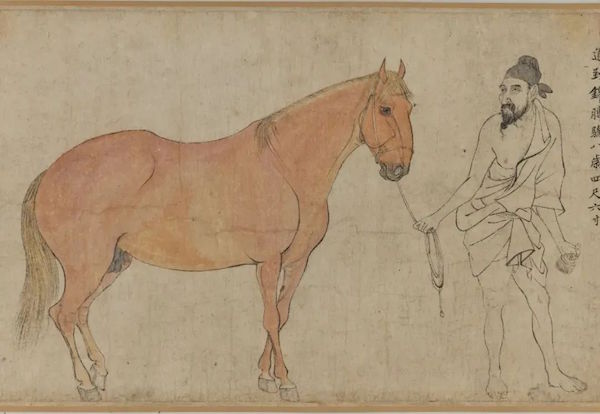
Part of "Five Horses" by Li Gonglin of the Northern Song Dynasty, collected by Tokyo National Museum
According to information released by the National Palace Museum in Taipei, the Xiyuan Gathering is the most famous gathering legend in history - Su Shi (1037-1101), Huang Tingjian (1045-1105), Li Gonglin (1049-1106), Mi Fu (1052-1108), Wang Shen (about 1048-1104) and other literary and artistic geniuses gathered in Bianjing (Kaifeng) to hold a grand gathering. For thousands of years, this elegant event that never happened has been constantly praised and has become the prototype for the emulation of gatherings in successive dynasties.
"Xiaoxiang Woyoutu" is one of the most outstanding existing Song Dynasty ink-and-wash landscape works. It was also listed as one of the four famous scrolls in the collection of Emperor Qianlong, along with Gu Kaizhi's "Biography of Female Historian".
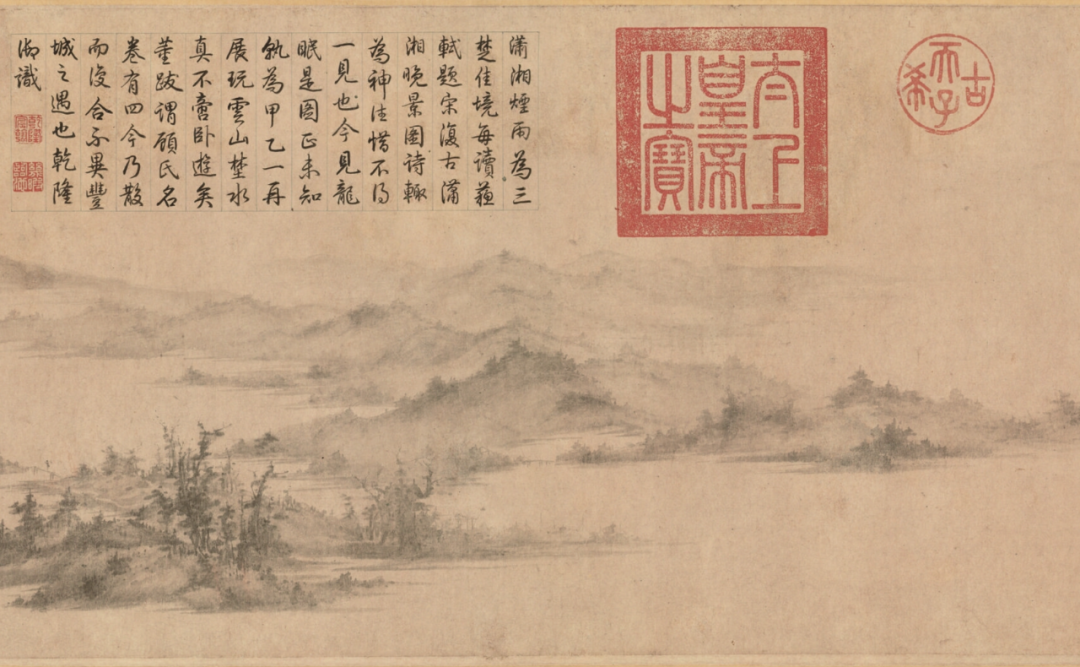
Part of "Xiaoxiang Lying Tour" by Li Shi of the Southern Song Dynasty, collected by Tokyo National Museum
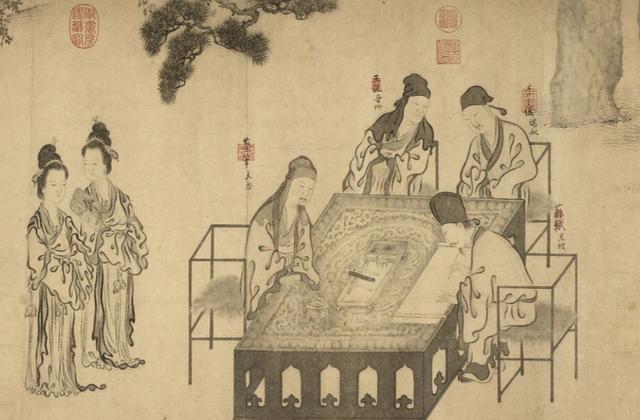
Part of "Gathering of Scholars in the Western Garden"
The first section of this special exhibition begins with an image of the "Gathering of Elegant People in Xiyuan". This painting in the National Palace Museum in Taipei is said to have been painted by Li Gonglin (a controversial issue), and includes scenes such as Su Shi writing, Li Gonglin drawing, and Mi Fu writing on a stone. The calligraphy of this group of cultural elites is exhibited together with the works of Sima Guang (1019-1086), Ouyang Xiu (1007-1072), and other famous officials who influenced the current situation, as well as the "Yuanyou Party Membership Monument", which helps to feel the historical background of the time.
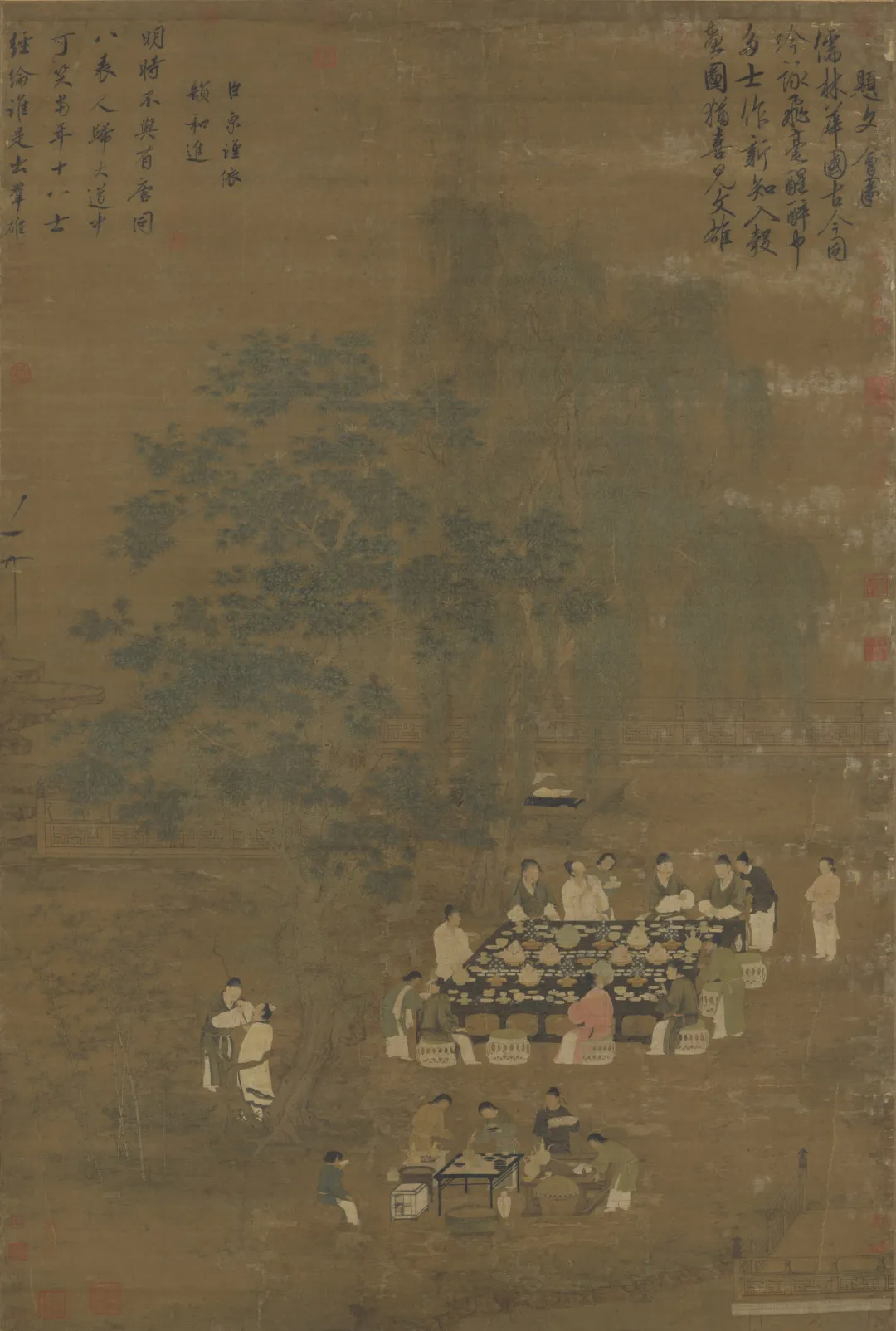
"Literary Gathering of Emperor Huizong of Song Dynasty" Exhibition time: October 10th - November 23rd
The "Literary Gathering of Emperor Huizong of Song Dynasty" on display depicts a scene of scholars and scholars gathering in a courtyard to drink and compose poetry. Under the old willow and locust trees, the scholars spread out a huge table with plates, dishes and wine cups arranged in an orderly manner. There are eighteen people sitting and drinking beside the table, whispering to each other, looking around, holding utensils and serving, and two others standing under the tree to talk.
In the upper right corner of the painting, there is a poem inscribed in running script by the author Zhao Ji, "Inscription on the Literary Gathering": "The scholars of China are the same in ancient and modern times, reciting poems and writing in sober and drunken state. Many scholars have become new friends, and I am happy to see literary heroes in the painting." In the upper left corner is a poem in rhyme written by Cai Jing: "The Ming Dynasty was not the same as the Tang Dynasty, and people from all over the country returned to the great way. It's ridiculous that among the eighteen scholars back then, who was the hero in the management of the country."
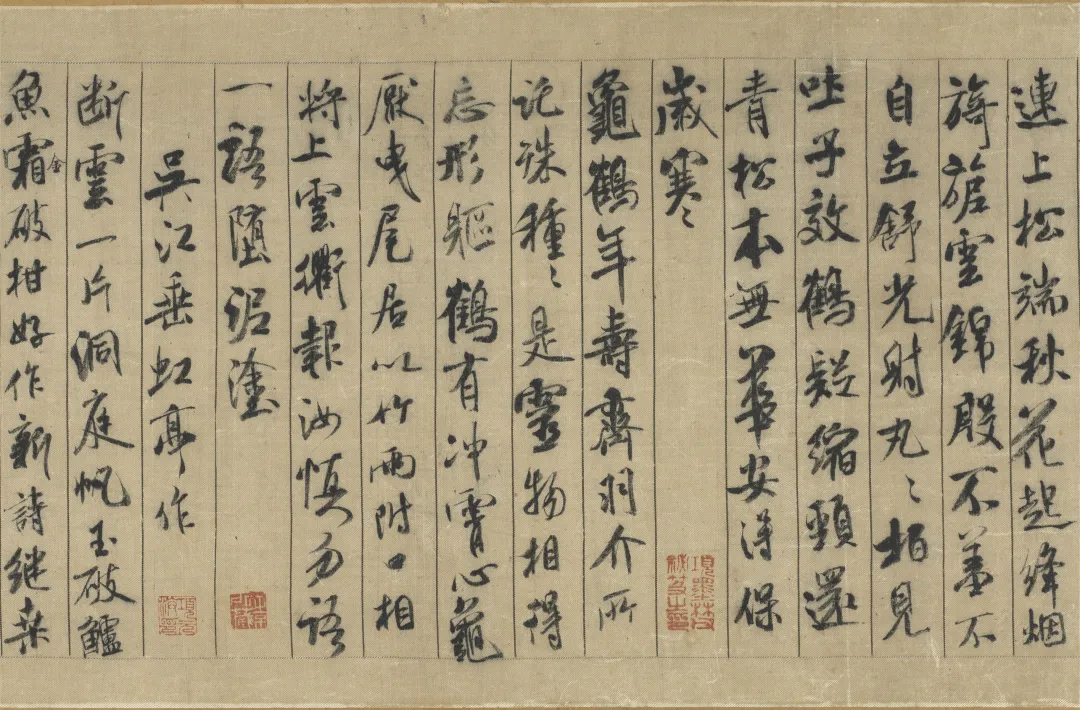
The second unit, "Relax and Enjoy", aims to highlight the achievements of this group of literary and artistic talents in calligraphy and painting. In terms of calligraphy, Su Shi's "Preface to the Red Cliff", Huang Tingjian's "Self-written Songfeng Pavilion Poems", Mi Fu's "Shu Su Tie" and other masterpieces show the diverse and personal style of calligraphy in the late Northern Song Dynasty; in terms of painting, Li Gonglin's rare original "Five Horses", a faithful copy of "Mountain Villa", "Nine Songs", and Mi Fu's "Clouds and Mountains and Self-written Postscript" and other paintings can give a glimpse into the various views and practices of literati painting in the Northern Song Dynasty.
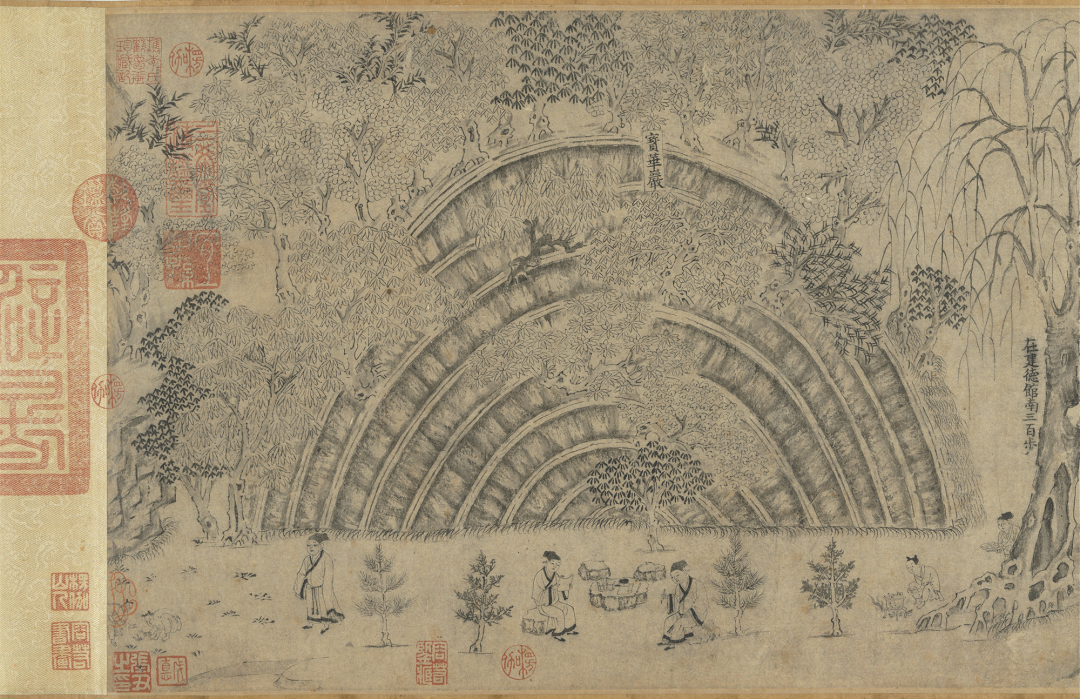
Part of "Mountain Villa" by Li Gonglin of the Northern Song Dynasty, collected by the National Palace Museum, Taipei
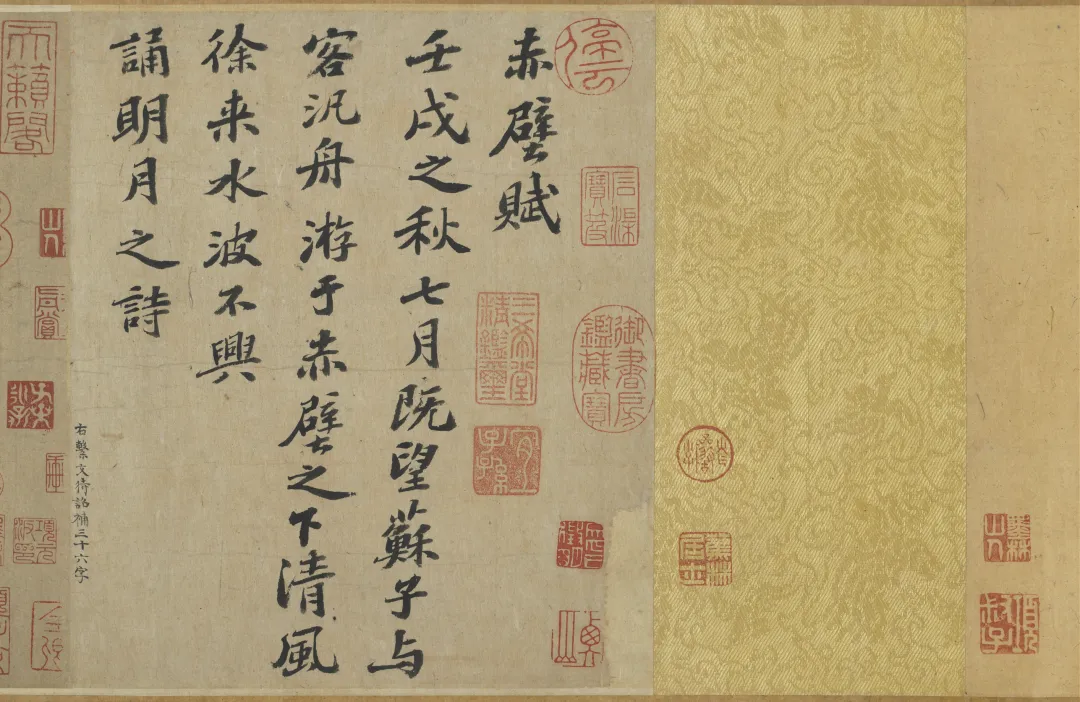
Song Dynasty: Su Shi's Preface to the Red Cliff (partial)
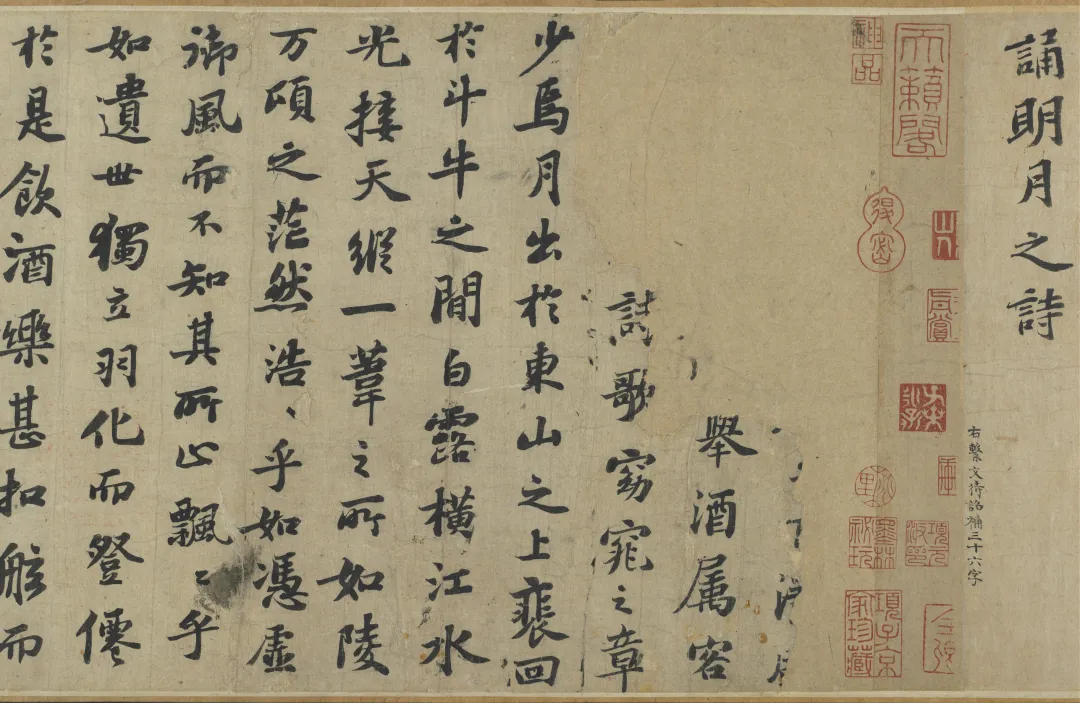
Song Dynasty: Su Shi's Preface to the Red Cliff (partial)
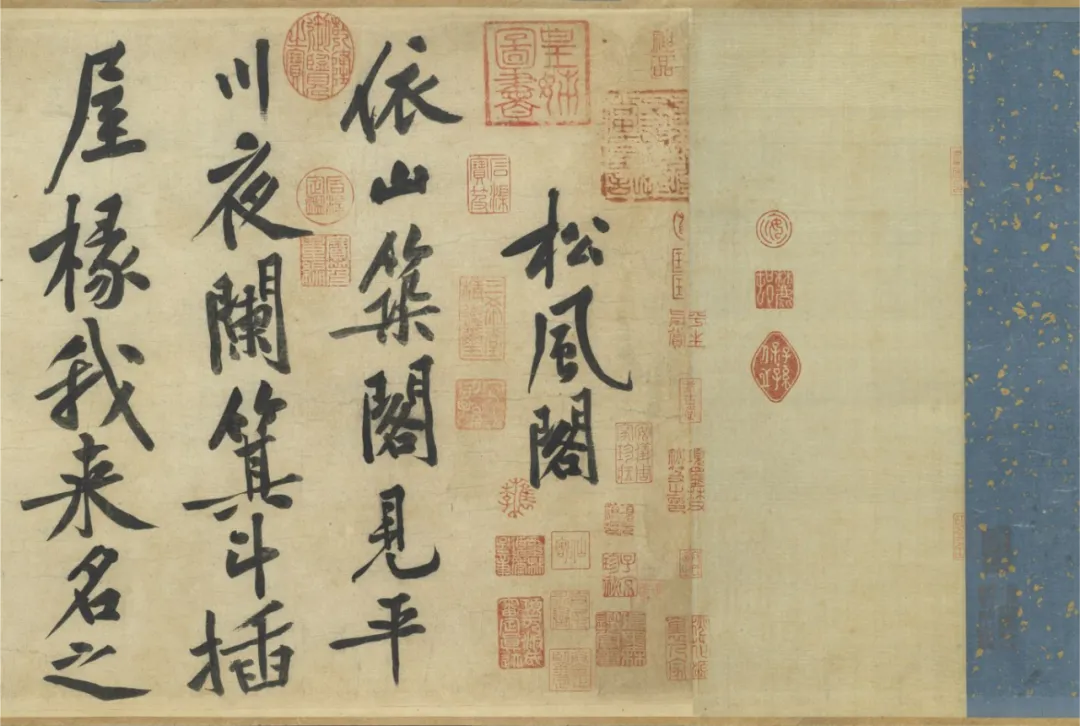
Song Dynasty: Huang Tingjian's Poems Written in Songfeng Pavilion (partial) Exhibition time: October 10-November 23
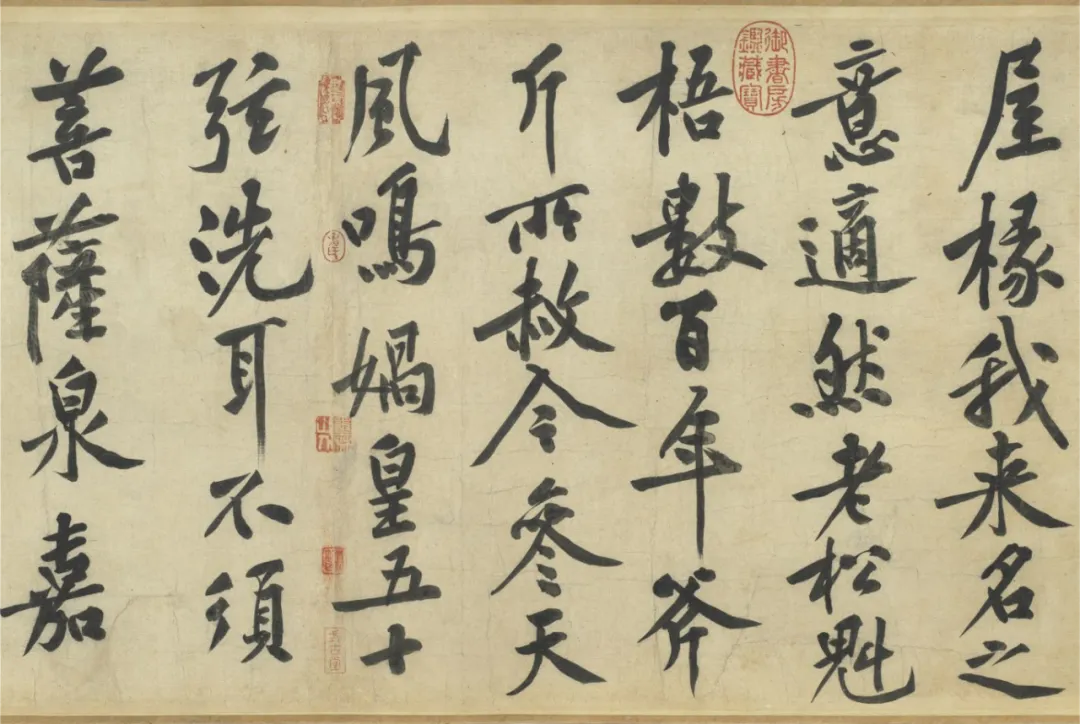
Song Dynasty: Huang Tingjian's Poems Written in Songfeng Pavilion (partial) Exhibition time: October 10-November 23
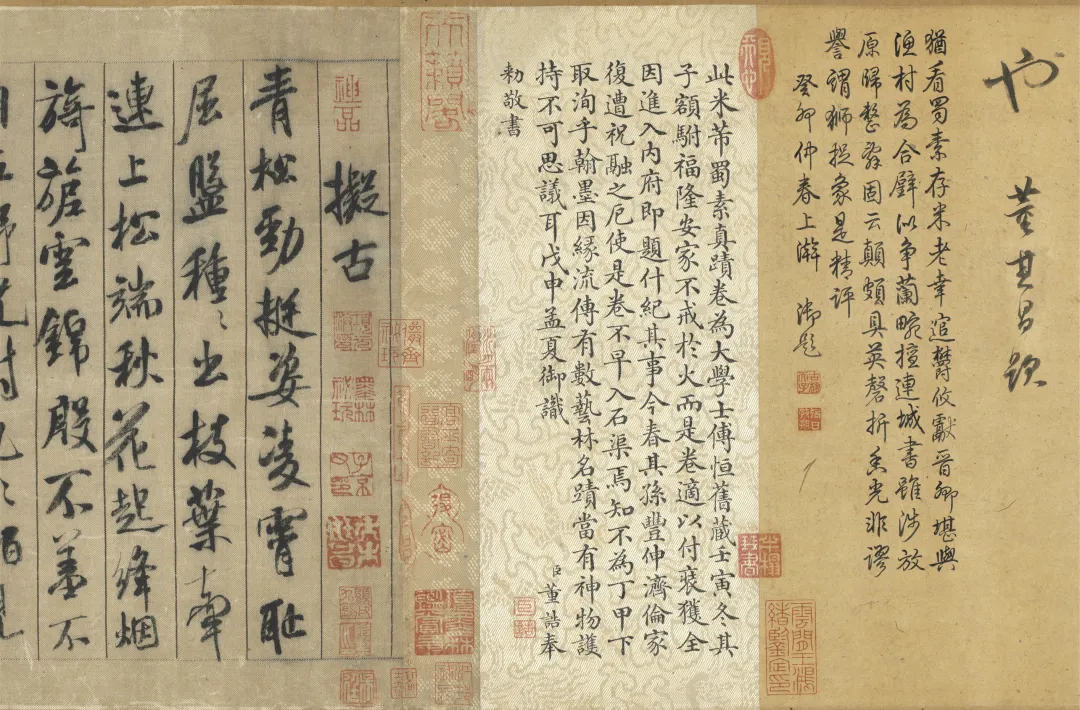
Song Dynasty "Mi Fu Shu Su Tie" (partial) Exhibition time: October 10-November 23
Song Dynasty "Mi Fu Shu Su Tie" (partial) Exhibition time: October 10-November 23
The third unit, "Models of the Past Generations", selects imitations of Su Shi, Huang Tingjian, Mi Fu and Li Gonglin by later generations to show their profound influence on the development of calligraphy and painting.
The exhibition will last from October 10, 2025 to January 7, 2026.
(This article is compiled based on relevant information from the National Palace Museum in Taipei)

Taipei’s Bi Song show: Mi Youren and Qian Xuan
“Bi Song, Ink and Dance” refreshes in Taipei with Mi Youren, Qian Xuan, and Song landmarks.

Ni Zan, Wang Meng and other famous relics of the Yuan Dynasty are on display, and the exhibition of "Bi Song Mo Wu" in Taipei is renewed
Yuan masters Ni Zan and Wang Meng return as Taipei renews its “Bi Song, Ink and Dance” hang.

Taipei NPM “Language of Paintings”: how pictures persuade
National Palace Museum, Taipei—composition, taste, and the quiet power inside classical painting.