
Ancient Chinese knives across 5,000 years
“Treasure knife is not old”—a special exhibition of blades spanning five millennia.
Hangzhou’s special exhibition Treasure Knife Is Not Old gathers ancient Chinese knives across roughly five thousand years—jade ritual blades to later steel.
Seen in sequence, the knife is less a weapon case study than a record of material skill, rank, and the hands that made cutting tools into status objects.
This "Treasure Sword Is Not Old - Ancient Chinese Knives Special Exhibition" will display 110 ancient Chinese knives (sets) collected by the China Knife and Scissors Museum. Contains the entire history of ancient Chinese civilization. The content of the exhibition starts from the two clues of tools and weapons, respectively showing the manufacture and use of ancient knives in different fields, and analyzing the background and social conditions of the development of ancient knives. Especially in the weapons section, we will review the four ancient classic battles, under the leadership of famous generals such as Wei Qing, Huo Qubing, Liu Qi, Qi Jiguang, etc.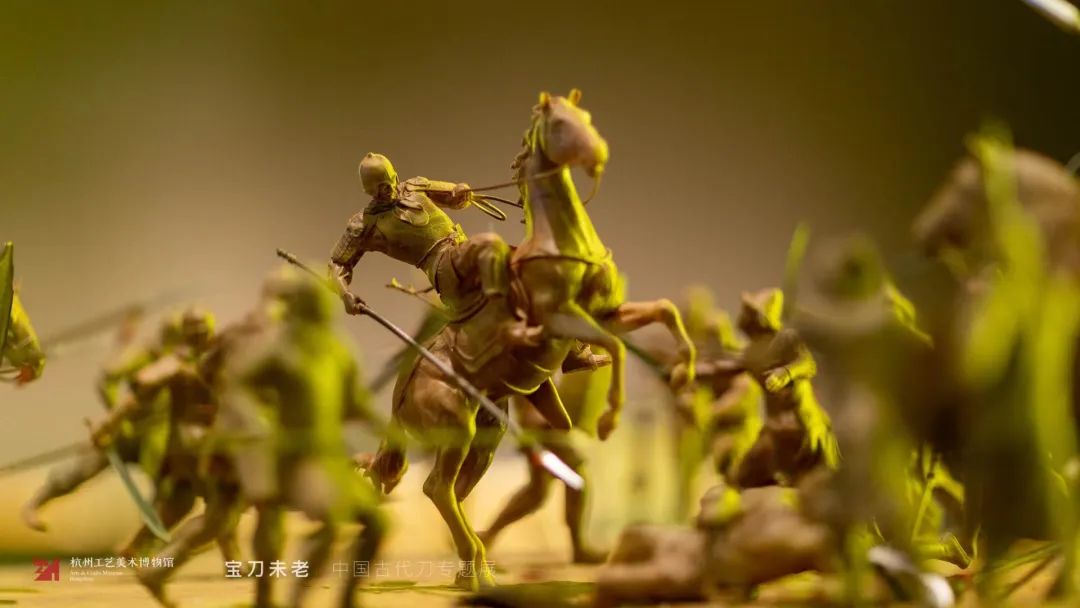
Exhibition site
Key exhibits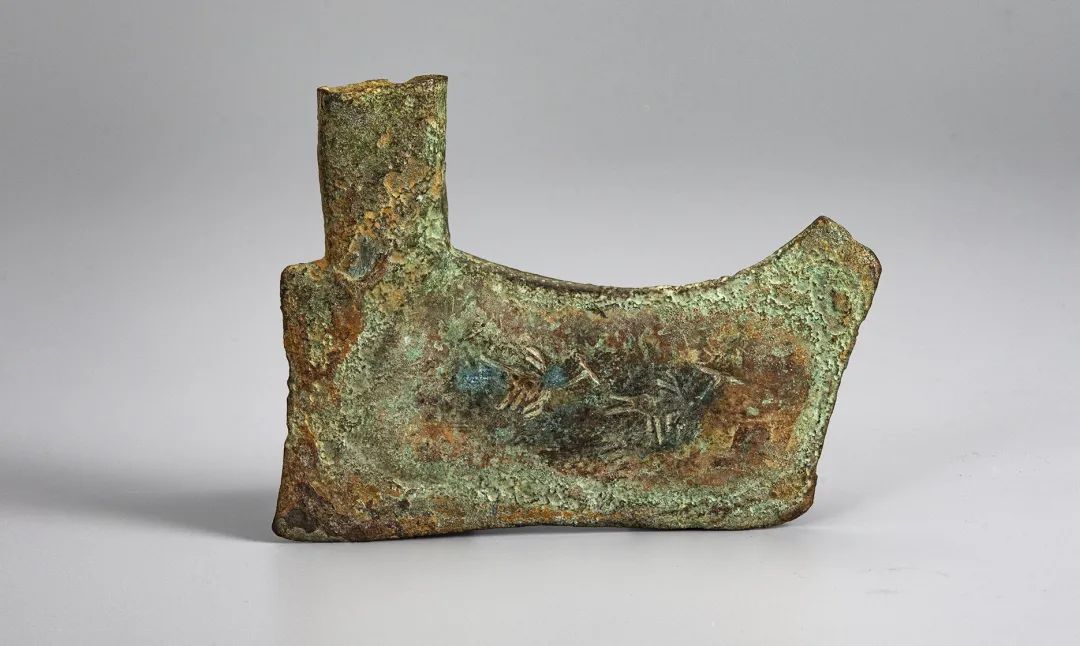
Bronze boot-shaped tomahawk (square blade), Spring and Autumn and Warring States Period, width 16cm, height 12.5cm
It is a typical utensil in the ancient Yue culture. The tomahawk is shaped like a boot, with a rectangular horn on one side. There is a frame cast on one side of the body, and the inside of the frame is embossed, and the specific content cannot be distinguished due to abrasion. In the middle of the other side, there are two birds facing each other, stretching their necks and spreading their wings, which is vivid.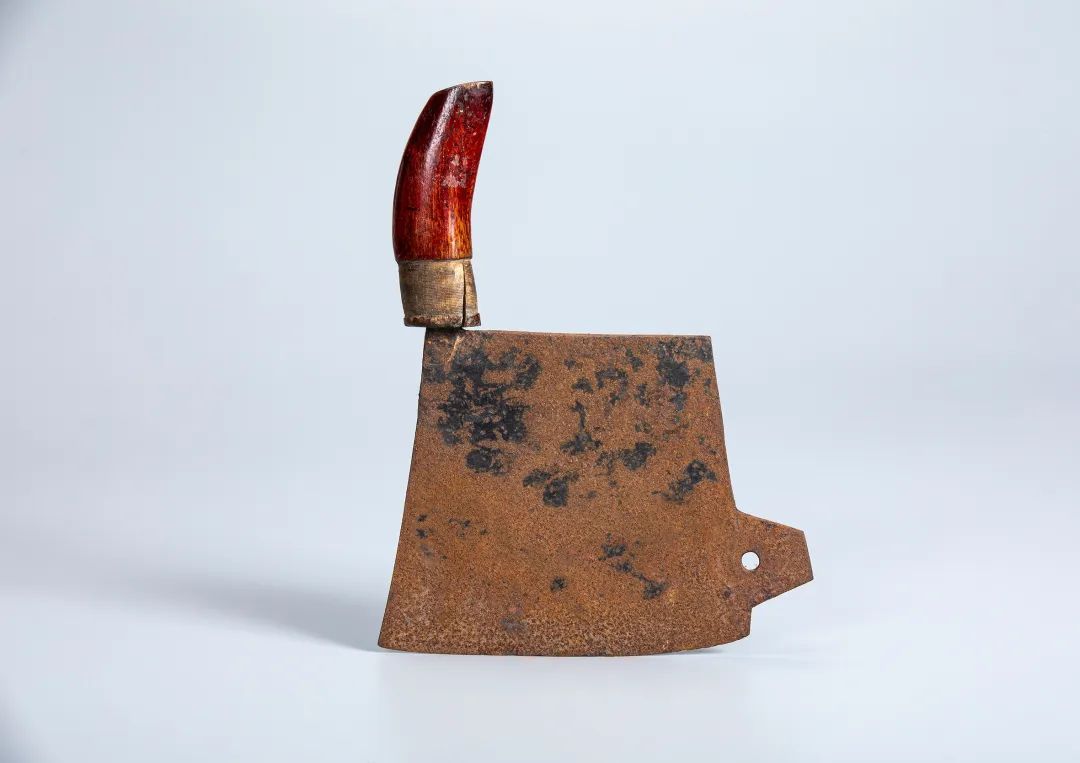
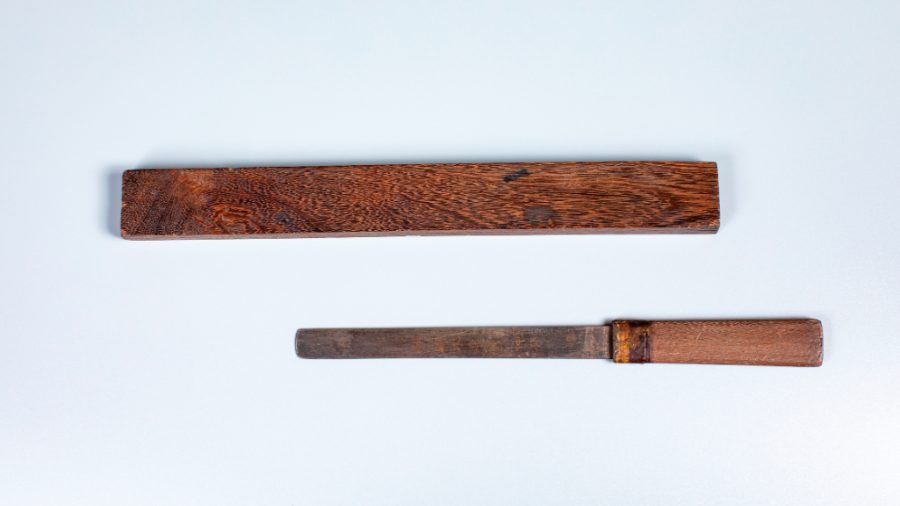
Tablet knife, late Qing Dynasty, length 25cm, width 18cm
The time-honored "Li Deshun" tablet knife in Hangzhou during the late Qing Dynasty and the Republic of China. The blade has the inscription "Ming Ji Li Deshun of Pipa Street, One Yuan and Eight Points of Land Corner". The tablet knife is a medicine knife prepared from traditional Chinese medicine. There is a small bump on the edge of the blade on the opposite side of the handle, with a medium perforation, for attaching the knife to the medicine cutting stool. The blade is located on the opposite side in the vertical direction of the handle, which is the longest side of the quadrilateral of the blade. The outer arc of the wooden handle is similar to that of a guillotine. The preparation of traditional Chinese medicine requires high precision. For example, the thickness of "slices" is required to be less than 1.5 mm, which requires high requirements for the quality of the medicine cutter and the skills of the medicine cutter.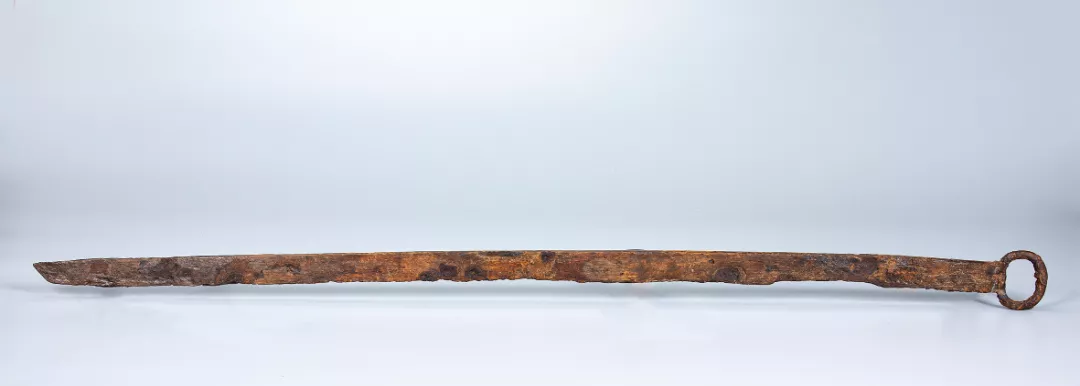
Ring head knife, Eastern Han Dynasty, 92cm long, 5.5cm wide
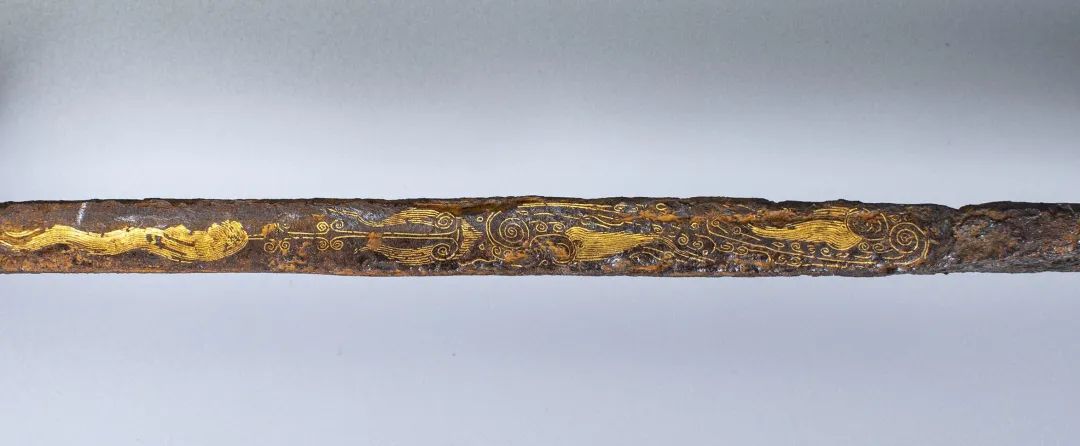
Ring head knife Eastern Han Dynasty (detail)
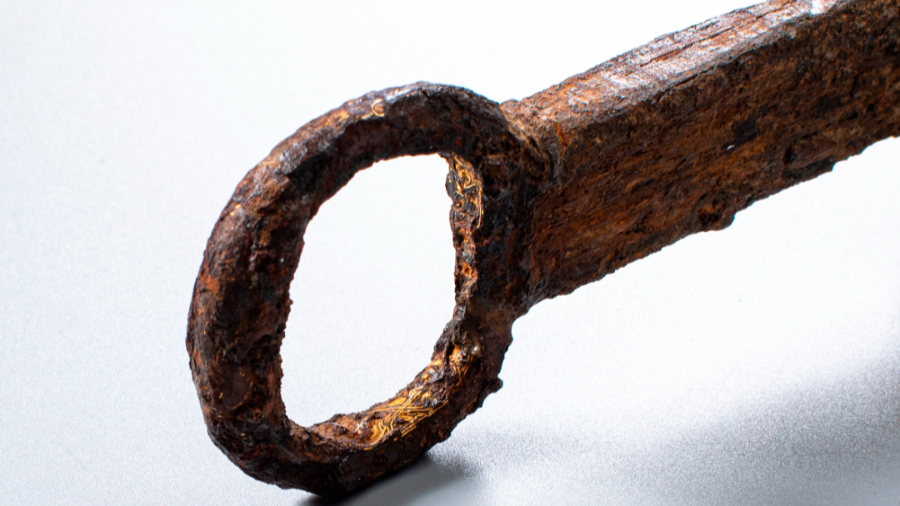
Ring head knife Eastern Han Dynasty (detail)
This is a high-grade ring first knife in the Eastern Han Dynasty, which has been restored. The back of the knife and the blade are straight, the iron stem is about the same width as the blade, and the ring of the handle is flat. The back of the knife and the inside of the knife ring are decorated with gilt inscriptions and ornaments of auspicious animals. On the knife body, the remaining wooden sheath texture can still be vaguely recognized.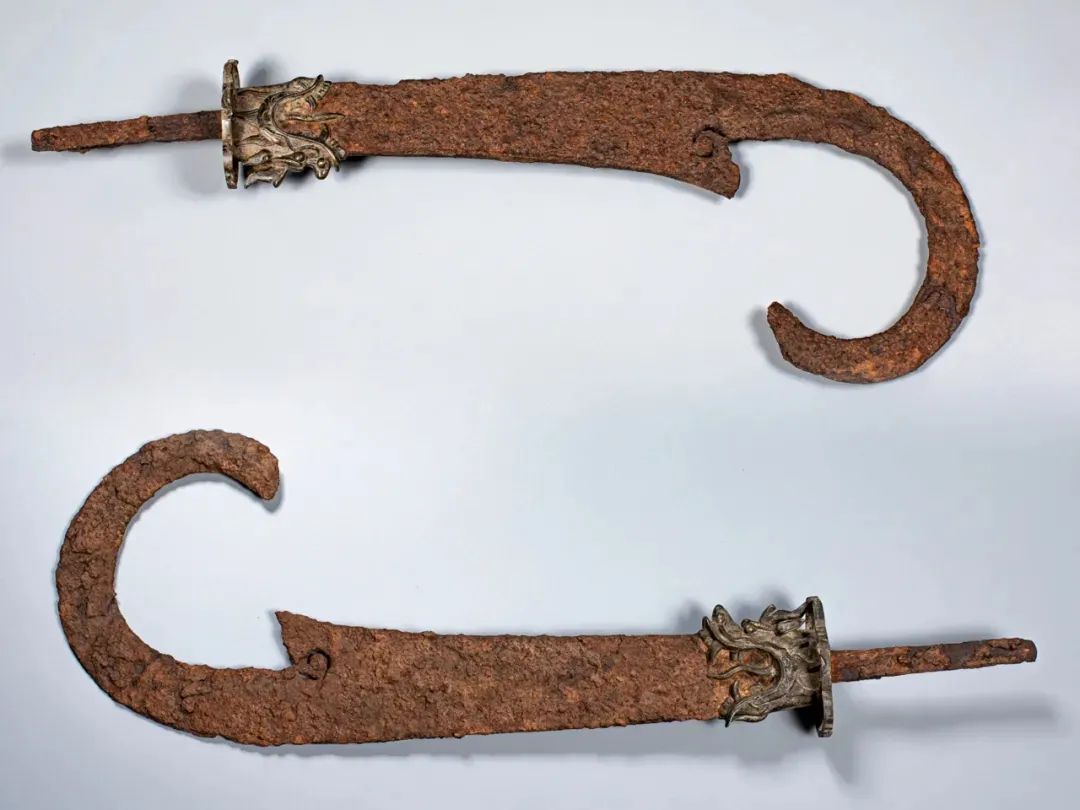
Guard of honor dragon swallow mouth Yanyue double sword Song (single sword) length 80cm, maximum width 30cm
The Yanyue knife belongs to the long-bar knife, and it was a kind of standard weapon knife in the Song Dynasty. These knives are often decorated with gorgeous shapes and are often used for ceremonial training. There are also many "variants" in the shape of the blade of the yanyue knife. The pair of yanyue knives on display are the iron head part of the long-stemmed knife. "Elephant Trunk Knife", there is a tine-like twig at the front end of the back of the knife, and there are perforations at the fork, which can be hung with tassel ornaments. There is a copper-made faucet at the connection between the blade body and the blade stem, which is exquisite in shape and lifelike.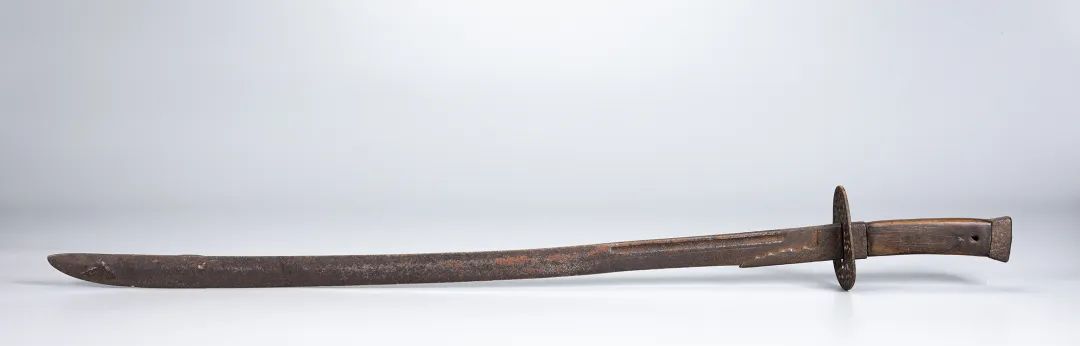
Hollow out and wrong silver piercing dragon tandem waist knife Ming Dynasty 85.5cm long, 3cm wide
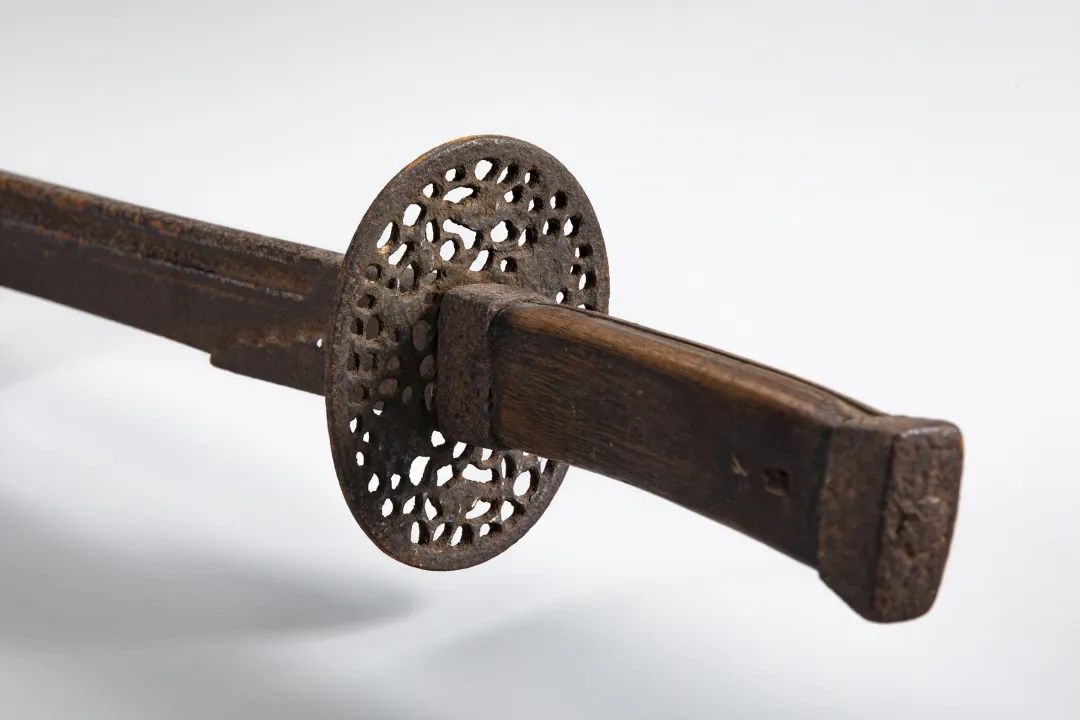
Hollow out and wrong silver piercing dragon tandem waist knife Ming Dynasty 85.5cm long, 3cm wide
Ming Dynasty waist knife, the blade has a certain arc and has a blood groove. The base of the knife is attached to the mouth, the knife grid is disc-shaped, and the surface is hollowed out with silver pierced branches and dragon patterns. The Ming Yao Dao is made by absorbing some characteristics of the Japanese sword. The handle is short and curved, and it is relatively light. In the Ming Dynasty, there were "Big Seven Stars Songs" and "Shining Horses Songs" which trained the essentials of rattan cards and waist swords. In the late Ming Dynasty, in order to deal with the nomadic cavalry in the north, the waist knife was generally equipped with various arms of the Ming army cavalry, infantry, chariots, and baggage soldiers.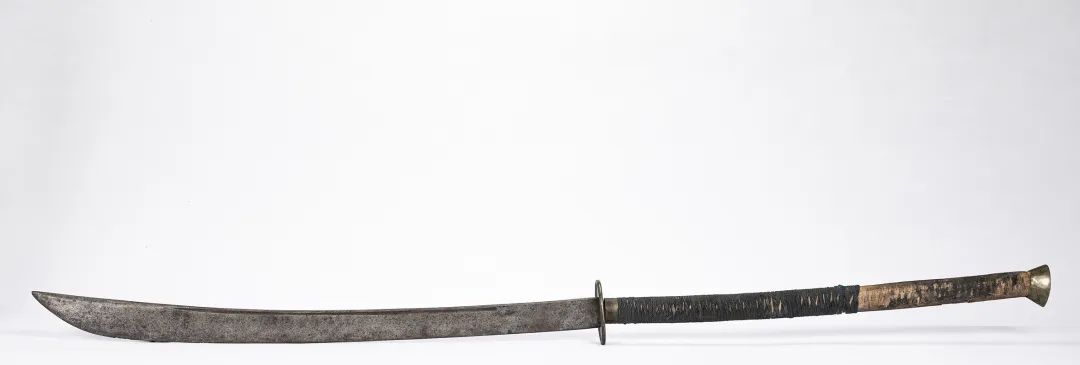
Arms Bureau Iron Long Knife Qing Guangxu Length 151cm Width 10cm
Long-bar knife, the blade is straight, flat and wide, the blade is sharp and sharp, the bottom of the blade is connected with the blade in an arc, and there is a blood groove near the back of the blade. On one side of the blade, the words "Made by the Arms Bureau" are engraved with a single line near the blade grid and below the blood tank. Knife disc-shaped, and hat-shaped handle are made of brass. Wrapped on a long wooden handle. During the Guangxu period of the Qing Dynasty, the Arms Bureau was a subordinate institution of the Shenji Camp. The Shenji Camp was established in the eleventh year of Xianfeng in the Qing Dynasty (1861). After the Second Opium War, in order to rectify the military, the Qing government established this institution. ), an Arms Bureau was added under the Shenji Camp.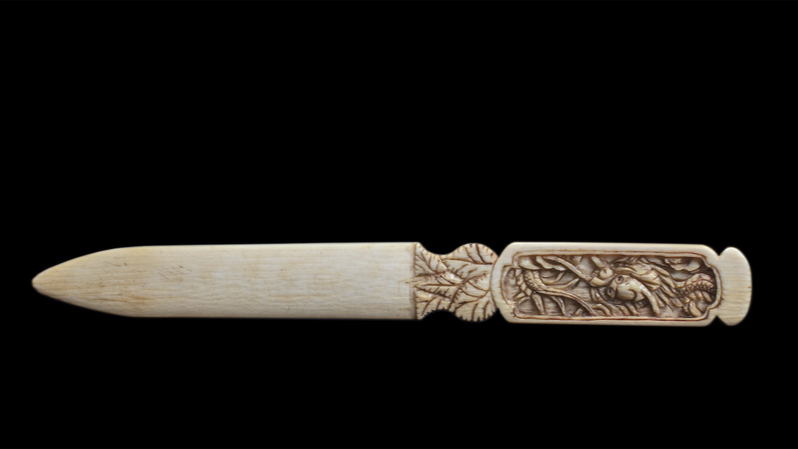
Ivory Paper Knife Republic of China
Paper cutter with inscription Republic of China
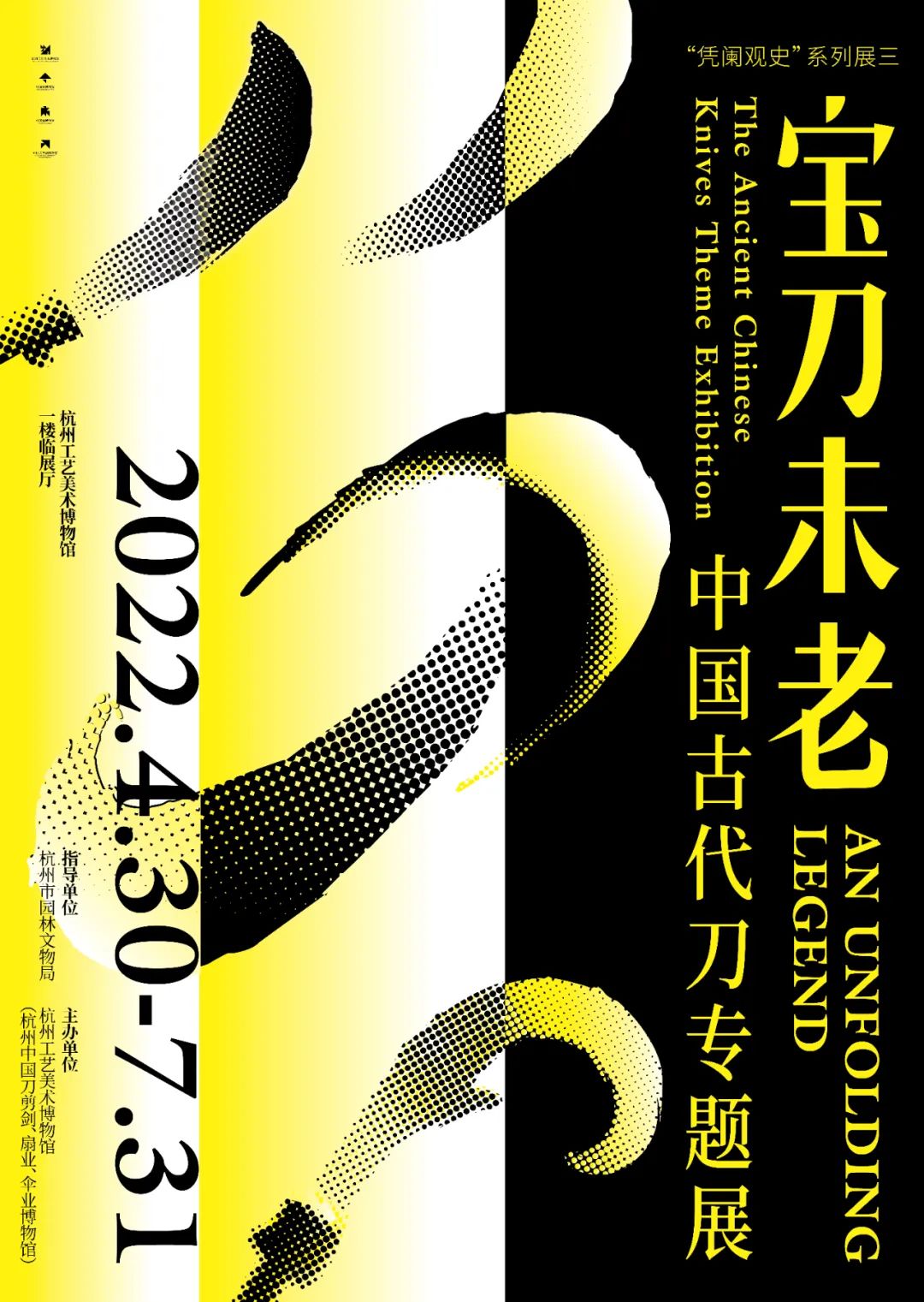
Exhibition poster
(This article is based on the relevant materials of Hangzhou Arts and Crafts Museum)Filed under

Song and Yuan rare books at Shanghai Museum
Jade Chu Liufang: Song–Yuan blockprints where page layout itself is an art of order.

Ancient Egypt in Shanghai: 100-day countdown, 168-hour finale
Shanghai Museum’s Egypt show hits the countdown—over two million visits, final stretch ahead.

Uffizi curator: ten must-see paintings in the Shanghai show
An Uffizi curator picks ten highlights from an eighteenth-century European masters loan in Shanghai.